Botswana has launched an urgent reset of its public health system as pressure mounts across major referral hospitals. Government is moving to take over Sir Ketumile Masire Teaching Hospital, decongest Princess Marina Hospital and clear long-standing surgical backlogs. The intervention responds to growing delays, overcrowding and patient safety risks. It marks a shift from short-term crisis control to structured recovery. You can expect faster access to care and improved service reliability.
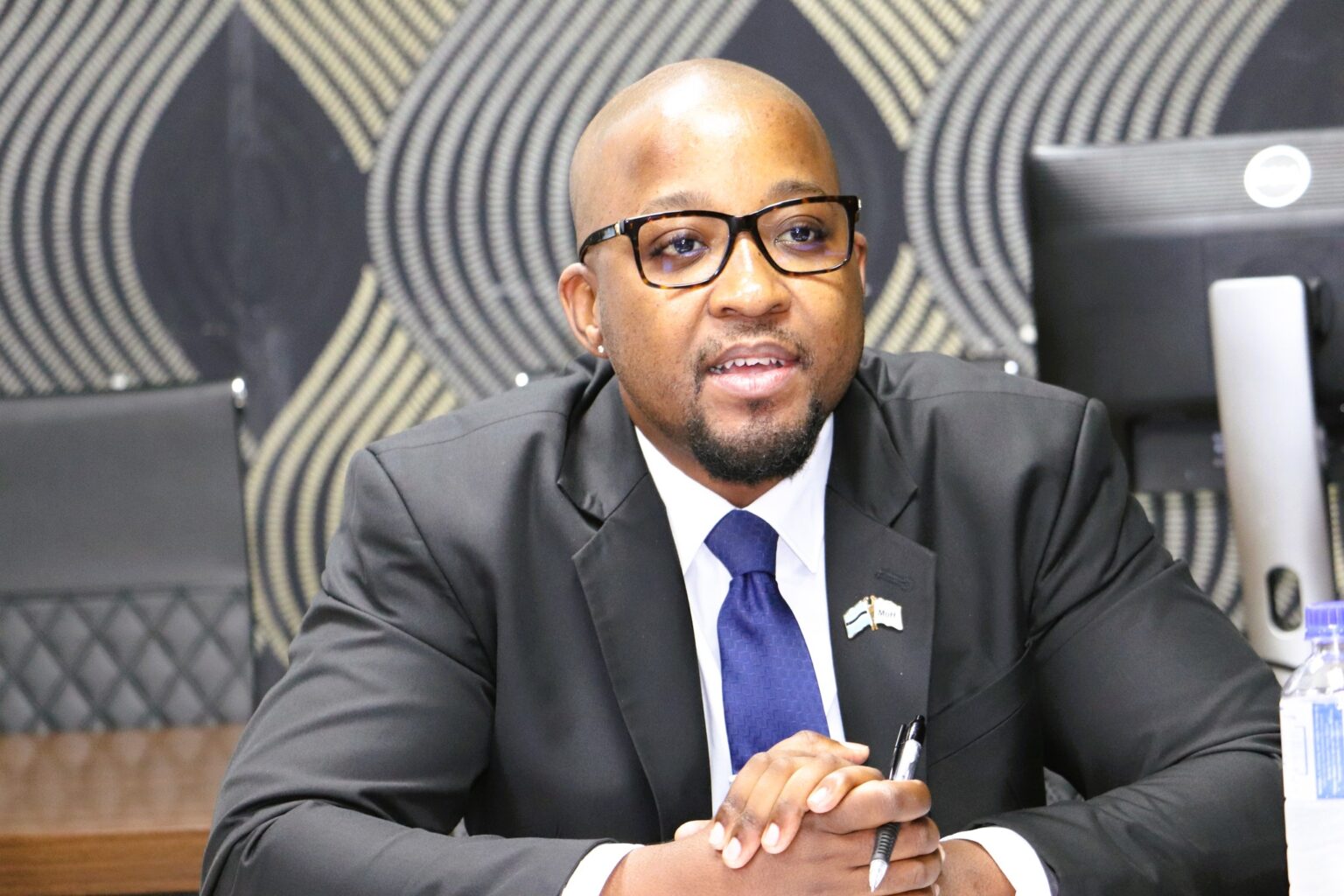
Addressing the nation, Minister of Health Dr Stephen Modise said the reforms are guided by President Advocate Duma Boko. The reset aligns with National Development Plan 12 and the Botswana Economic Transformation Programme. Government is focusing on rebuilding capacity, fixing system gaps and restoring public confidence. The approach prioritises timelines, accountability and measurable outcomes. You will see changes implemented in phases rather than policy statements alone.
At the centre of the intervention is the rapid conversion of Sir Ketumile Masire Teaching Hospital into a fully public hospital by April 1, 2026. The phased takeover begins immediately. The move aims to relieve pressure at Princess Marina Hospital, which faces limited bed space, constrained theatre availability and diagnostic bottlenecks. These constraints have delayed surgeries and increased clinical risk. Expanding public capacity through SKMTH offers immediate relief.
From early February, Government will relocate critical services to SKMTH. These include accident and emergency care, radiology, dialysis, audiology and selected surgical services. Pharmacy and laboratory support services will operate from both SKMTH and PMH from February 2 to ease congestion. More than 20 specialist outpatient clinics will move in the first phase. These include cardiology, nephrology, neurology, infectious diseases and paediatric subspecialties. You should experience shorter waiting times and improved specialist access.
Clearing surgical backlogs is a top priority, starting with orthopaedics. At Princess Marina Hospital, 70 orthopaedic patients are awaiting surgery, including 54 fracture cases. Government expects to clear this backlog between February 2 and February 20. It will use theatres and specialist staff across both PMH and SKMTH. Orthopaedic bed capacity will increase from 66 to 106 beds. This allows up to 10 operations per day, double the current output.
Similar interventions will apply to other high-pressure specialties. In gynaecology, about 800 patients are waiting for surgery. Expanded theatre use and service redistribution aim to stabilise waiting lists. Government’s goal is to reduce delays and prevent new backlogs from forming. You should see more balanced workloads across referral hospitals.
To stabilise diagnostics, Government will temporarily outsource laboratory tests that public hospitals cannot perform. Equipment failures and outdated machines have limited testing capacity. Outsourcing will serve as a short-term fix while long-term upgrades under NDP12 and BETP are implemented. Three mobile X-ray machines have already been deployed to Bobonong, Pandamatenga and Gumare. These units improve access in remote areas.
On medicines, Government has secured more than 338 essential drugs from the United Arab Emirates. Deliveries begin on February 6, 2026 and are expected to last up to 7.5 months. Additional supplies are arriving from Zambia. Officials confirmed that HIV, TB and cancer medicines are secured for at least 12 months. Antiretroviral stocks alone cover a full year. Medicine availability is expected to remain stable well into 2026.
Dr Modise acknowledged public concern and frustration with the health system. He said Government’s response is now time-bound and action-driven. Clear milestones and delivery targets have been set. According to the ministry, immediate pressure points are under control. You can measure progress through reduced waiting times, improved service flow and more reliable medicine supplies.
The reset of Botswana’s public health system signals a decisive change in direction. The takeover of SKMTH, decongestion of PMH and aggressive backlog clearance address urgent risks. Strengthened diagnostics and secured medicine supplies support system stability. Aligned with national development priorities, the reforms focus on sustainable recovery and patient safety. You can expect a more responsive and resilient public health system as these measures take effect through 2026.