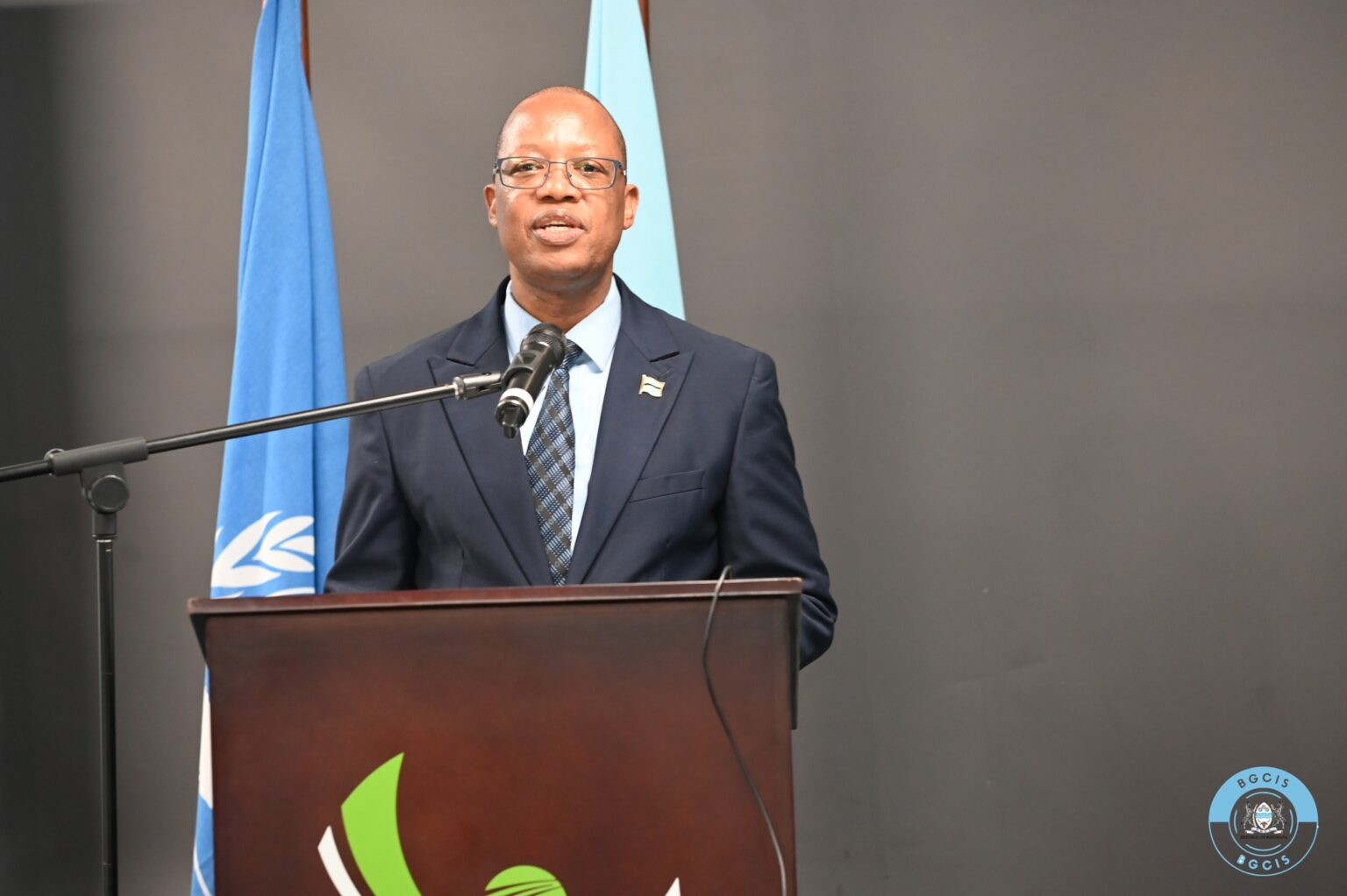
The Ministry of International Relations, in partnership with the UN Human Rights Regional Office in Pretoria, launched a national consultation and capacity-building workshop in Gaborone on 14 October 2025. The event marked a major step in Botswana’s continued efforts to strengthen human rights protection and align with international standards.
The workshop focused on Botswana’s potential accession to two key international treaties: the International Covenant on Economic, Social and Cultural Rights and the 1961 Convention on the Reduction of Statelessness. These instruments address core human rights issues, including the right to education, healthcare, and work, as well as measures to prevent and reduce statelessness.
This national forum forms part of Botswana’s ongoing engagement with the Universal Periodic Review (UPR) process, an important mechanism that assesses how UN Member States uphold their human rights obligations. The meeting was supported by the UPR Voluntary Fund, which assists countries in implementing recommendations and advancing human rights reforms.
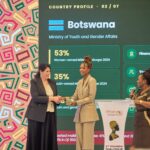
UN Resident Coordinator Ms. Wenyan praised Botswana’s inclusive and consultative approach to human rights. She highlighted the country’s continued commitment to dialogue, reform, and progress in promoting dignity, equality, and sustainable development.
“Botswana’s willingness to engage with international mechanisms demonstrates its strong dedication to the principles of human rights,” Ms. Wenyan said. She also extended appreciation to all stakeholders, especially the UN family, for their ongoing support in strengthening Botswana’s human rights framework.
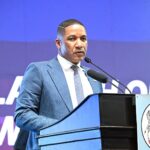
Ambassador Thuso Ramodimoosi welcomed participants to the workshop, noting the significance of the event in shaping Botswana’s next phase of engagement with global human rights instruments. He acknowledged the presence of Mr. Asraf Ally Caunhye, Vice-Chair of the UN Committee on Economic, Social and Cultural Rights, whose expertise provided valuable insights into the implications and benefits of treaty accession.
The discussions underscored Botswana’s proactive stance on human rights and governance. By examining the potential adoption of these treaties, Botswana is taking steps to reinforce legal protections for all individuals within its borders while aligning national policies with international best practices.
The workshop concluded with a shared understanding of the importance of sustained dialogue, capacity building, and cooperation in advancing human rights. The Ministry reaffirmed its commitment to working closely with the UN and other partners to ensure that Botswana’s policies continue to reflect fairness, equality, and respect for human dignity.