


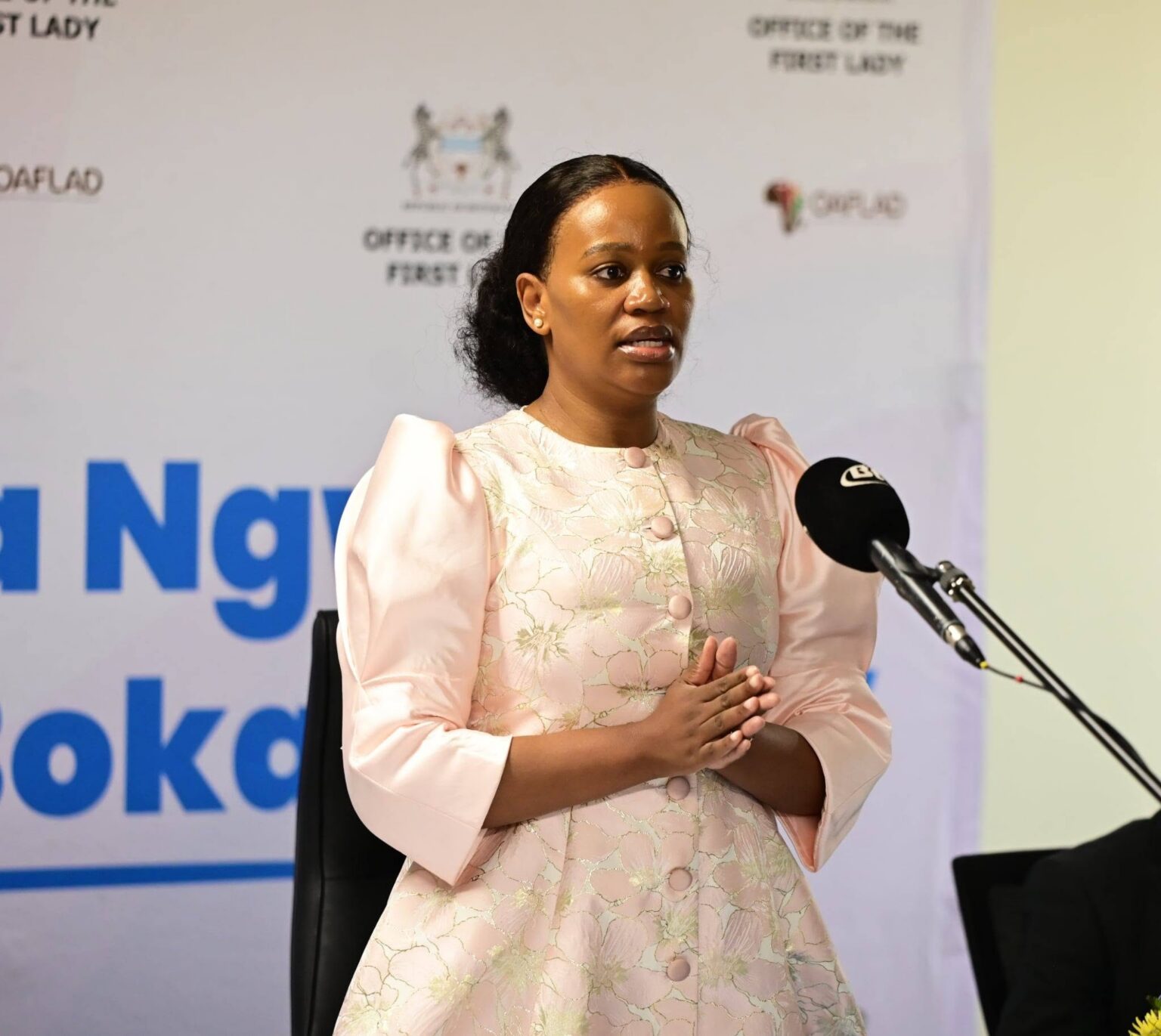
Since gaining independence, Botswana’s First Ladies have used their public positions to draw attention to social causes affecting communities across the country. Although their roles have differed according to their personal interests and the needs of their time, each has contributed to Botswana’s social development in a distinct way. Their work has covered humanitarian service, education, environmental awareness, women’s empowerment, the fight against gender-based violence and the welfare of children. These initiatives have provided greater visibility to issues that often require sustained public awareness, community participation and coordinated action. Over the decades, the involvement of Botswana’s First Ladies in social causes has shown how public leadership can be used to encourage compassion, strengthen advocacy and support communities facing social challenges.
Lady Ruth Khama, Botswana’s first First Lady after independence, became associated with humanitarian service through her involvement with the Red Cross movement. Her public role extended beyond being the wife of the country’s first president, Sir Seretse Khama, as she became recognised for her contribution to charitable and community-focused work. The Red Cross movement provided a platform through which humanitarian needs could receive attention and communities could be encouraged to support people facing difficult circumstances. Her association with humanitarian activities helped establish an early example of how the position of First Lady could be connected to causes that directly affect people’s lives. Lady Ruth Khama’s contribution remains part of the wider history of public service associated with Botswana’s First Ladies.
Lady Olebile Masire continued this tradition by focusing attention on children and education during her time as First Lady. Her work highlighted the importance of creating better opportunities for children and supporting education as a foundation for individual and national development. Education has long been closely connected to Botswana’s development priorities because it provides young people with knowledge and skills needed to participate in society and the economy. Initiatives focused on children also help draw attention to the needs of young people who may face social or economic challenges. Through her public activities, Lady Olebile Masire contributed to the visibility of issues affecting children and reinforced the importance of investing in their welfare and future.
The work of Botswana’s First Ladies has also reflected changing national priorities and emerging social concerns. As the country developed, environmental protection became an increasingly important issue, with communities facing the need to balance development with the responsible management of natural resources. First Lady Barbara Mogae became associated with environmental campaigns, bringing public attention to the importance of protecting Botswana’s natural environment. Environmental awareness can influence everyday behaviour while encouraging communities to consider the long-term consequences of environmental degradation. Her involvement demonstrated how the public platform associated with the First Lady could be used to promote awareness of issues that affect both present communities and future generations.
Barbara Mogae’s environmental advocacy also formed part of a broader understanding of social development, where the wellbeing of communities is linked to the health of their surroundings. Botswana’s environment supports livelihoods, tourism, agriculture and many other activities that contribute to the country’s economy and quality of life. Raising awareness about environmental responsibility can therefore have implications that extend beyond conservation alone. It can encourage individuals, communities and institutions to take greater responsibility for protecting natural resources. Her campaigns added an environmental dimension to the social causes associated with the office of the First Lady and demonstrated the value of using public visibility to encourage responsible action.
More recently, First Lady Neo Masisi placed significant attention on the fight against gender-based violence, one of the major social challenges affecting communities in Botswana and across the region. Her advocacy brought greater public attention to the need to prevent violence, support survivors and encourage communities to challenge harmful attitudes and behaviours. Gender-based violence affects individuals, families and communities, making it an issue that requires action from Government institutions, civil society organisations, families and the public. Advocacy from prominent public figures can help create space for conversations that might otherwise remain difficult to discuss openly. Neo Masisi’s focus on the issue therefore contributed to broader efforts to keep gender-based violence on the national agenda.
The emphasis on women’s empowerment has also formed part of the wider contribution of First Ladies to Botswana’s social development. Empowering women can involve supporting access to education, economic opportunities, leadership positions and information about rights and available services. When women have greater opportunities to participate in economic and social life, families and communities can benefit from their skills, knowledge and leadership. Public advocacy can help highlight barriers that prevent women from reaching their full potential while encouraging institutions and communities to consider practical solutions. The involvement of First Ladies in these areas has helped connect high-profile public leadership with issues that affect women in their everyday lives.
First Lady Kaone Boko has continued the tradition of focusing public attention on social welfare, with child welfare forming an important part of her public role. Children require support from families, schools, communities and institutions to grow in safe and healthy environments. Issues affecting children can include access to education, protection, nutrition, healthcare and opportunities for positive development. By focusing attention on child welfare, the First Lady can help encourage public discussion around the responsibilities that society has towards younger generations. Her emphasis adds another chapter to the long history of First Ladies using their platforms to advocate for causes connected to the wellbeing of Botswana’s children.
The causes supported by Botswana’s First Ladies have differed, but they share an emphasis on issues that require collective responsibility. Humanitarian service, education, environmental protection, women’s empowerment, gender-based violence prevention and child welfare cannot be addressed by one institution or individual alone. Effective progress requires Government agencies, community organisations, traditional leaders, schools, businesses, families and individuals to contribute to solutions. The public involvement of First Ladies can help bring attention to these issues and encourage wider participation. Their visibility can also help connect national conversations with community-level experiences, particularly when campaigns focus on practical concerns affecting ordinary people.
The history of Botswana’s First Ladies demonstrates that their public roles have evolved alongside the country’s changing social priorities. From Lady Ruth Khama’s humanitarian association with the Red Cross movement and Lady Olebile Masire’s focus on children and education, to Barbara Mogae’s environmental campaigns, Neo Masisi’s advocacy against gender-based violence and Kaone Boko’s focus on child welfare, each has made a contribution in her own way. Their initiatives have helped bring important social issues into the public conversation while encouraging compassion and community participation. Their combined contribution shows that public leadership can support social development when it is connected to causes that directly affect communities. As Botswana continues to address social and economic challenges, the legacy of its First Ladies provides a reminder of the importance of advocacy, service and collective action in building a stronger society.


