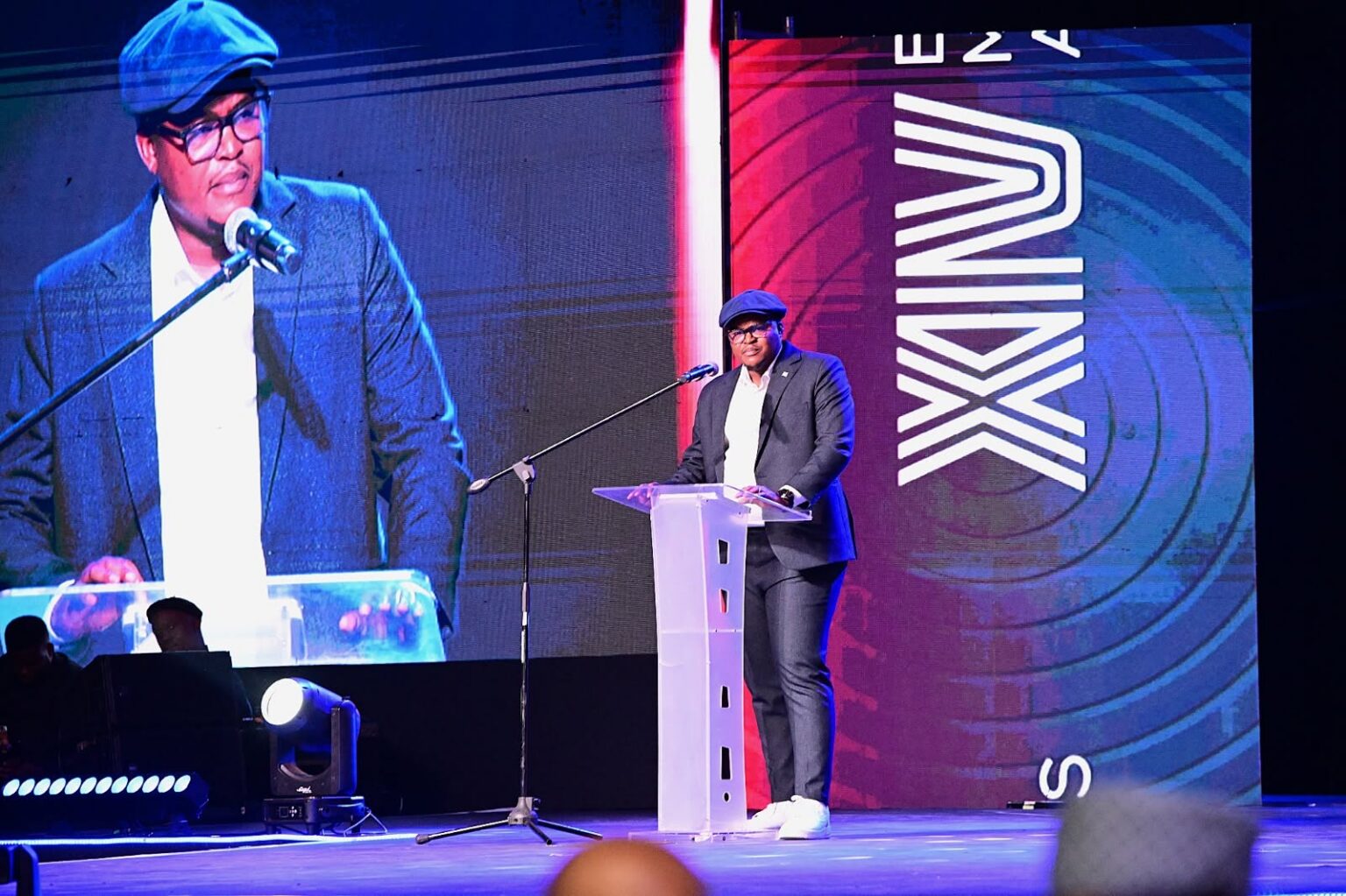
Botswana’s creative industry could soon receive a major boost as Minister of Sports and Arts Jacob Kelebeng says plans to roll out the much-awaited P200 million creative sector fund are at an advanced stage. The announcement has raised expectations among musicians, artists and young people who have been waiting for increased financial support and opportunities within the creative economy. Kelebeng made the remarks while speaking at the 14th Botswana Music Awards in Gaborone, where he outlined Government’s intention to create a stronger environment for the country’s creative practitioners. The proposed fund is expected to provide financial support that can help artists develop their work, grow their businesses and contribute more meaningfully to the economy. Its planned rollout could mark an important development in Botswana’s efforts to position the creative sector as a viable contributor to national development.
The minister described the creative sector fund as an important step towards turning Government’s vision for the creative industry into meaningful opportunities for people working in the sector. He stressed the importance of creating an environment where artists can thrive while making a positive contribution to the country’s development. For many creative practitioners, access to finance remains an important factor in determining whether an artistic project can move from an idea to a sustainable enterprise. Musicians and other artists often need funding for equipment, production, marketing, distribution, performances and professional development. A dedicated P200 million fund could therefore provide opportunities for creative businesses to expand their operations and create new income streams.
Kelebeng also emphasised that Government does not view musicians simply as entertainers. He said musicians should also be recognised as entrepreneurs and contributors to the economy, reflecting the growing importance of creative industries in economic development. The music industry supports a wide range of activities beyond performances, including music production, event management, sound engineering, photography, videography, marketing, fashion and digital content creation. Growth in these areas can create opportunities for young people who want to build careers both in front of and behind the stage. Recognising artists as entrepreneurs can also encourage greater attention to business planning, financial management, intellectual property and professional development within the sector.
The planned P200 million creative sector fund comes at a time when artists and industry stakeholders are looking for practical ways to strengthen Botswana’s creative economy. Funding could help emerging artists overcome some of the financial barriers that prevent them from producing and promoting their work at a professional level. Established creative businesses could also use support to invest in new equipment, expand their teams and reach larger markets. If implemented effectively, the initiative could create opportunities across music, visual arts, film, theatre, fashion, crafts and other creative disciplines. The fund could also encourage collaboration between artists, businesses and other organisations, helping to build a more connected creative industry.
Kelebeng further pledged to strengthen the National Arts Council of Botswana so that it can provide better support to the creative sector and its practitioners. A stronger arts council could play an important role in connecting artists with funding, professional development opportunities and industry networks. It could also help improve coordination within the sector and ensure that artists have access to information about available programmes and opportunities. Effective institutional support can be particularly important for emerging artists who may have creative talent but limited experience with the business and administrative aspects of the industry. Strengthening the National Arts Council could therefore complement the proposed fund by creating a stronger support system around the financial investment.
The minister also commended President Duma Boko for attending the 14th Botswana Music Awards in Gaborone. Kelebeng said the President’s presence demonstrated a commitment to developing Botswana’s creative industry and recognising the contribution made by artists. The attendance of senior political leaders at major cultural events can also help bring greater visibility to the concerns and ambitions of creative practitioners. It signals that the sector forms part of wider national development discussions rather than operating separately from the country’s economic priorities. Kelebeng said the Government wants the creative sector to become part of Botswana’s economic engine, placing greater emphasis on its potential to generate economic activity and employment.
The proposed fund could be particularly significant for young people seeking opportunities in Botswana’s creative industries. Young artists often have the skills and ideas needed to develop successful careers but may struggle to access the capital required to purchase equipment, produce content or establish professional businesses. Financial support could help young creatives invest in their talents while developing enterprises that generate income and employment. The growth of digital platforms has also created new ways for artists to distribute their work, build audiences and reach people outside Botswana. Combining financial support with training in digital marketing, business management and intellectual property could help young creatives turn their artistic abilities into sustainable careers.
The success of the P200 million fund will depend not only on its size but also on how the programme is structured and implemented. Artists and industry organisations will need clear information about eligibility requirements, application processes, funding categories and accountability measures. Transparent systems can help ensure that funding reaches deserving practitioners and supports projects with realistic potential for growth. Monitoring and evaluation will also be important in determining whether the fund creates sustainable businesses, jobs and income within the creative sector. If the programme is managed effectively, it could become an important mechanism for developing a more professional and financially sustainable creative economy.
There is also potential for the fund to support the broader creative ecosystem rather than focusing only on individual performers. A successful music industry depends on producers, studios, promoters, event organisers, managers, distributors, technical teams and other professionals who contribute to the final product. Similar networks exist across film, television, fashion, theatre and visual arts, where creative projects often involve multiple businesses and skilled workers. Investment in these interconnected activities can create wider economic benefits and provide young people with career options beyond becoming performers themselves. Supporting the full value chain could therefore increase the overall impact of Government’s investment in the creative sector.
The announcement at the Botswana Music Awards has consequently renewed attention on the long-awaited P200 million creative sector fund. Artists and industry players will now be watching closely for details on when the funding will become available and how they can access it. The advanced stage of the rollout offers hope to practitioners who have been calling for stronger financial and institutional support for Botswana’s creative economy. Kelebeng’s comments also indicate that Government wants to move beyond viewing the arts primarily as entertainment and instead recognise their role in entrepreneurship, employment and economic development. With effective implementation, the initiative could give artists greater capacity to build sustainable careers and businesses.
The planned P200 million creative sector fund represents a potentially significant investment in Botswana’s artists, entrepreneurs and young people. Kelebeng’s commitment to strengthening the National Arts Council and creating a more supportive environment could further reinforce the impact of the funding once it is rolled out. The Government’s recognition of musicians as economic contributors also reflects a broader opportunity to build an industry where creativity and entrepreneurship work together. For artists, the priority will now be to prepare for opportunities by developing strong business plans, improving professional skills and understanding how to manage creative enterprises sustainably. If the promised support reaches the sector effectively, Botswana’s creative industry could play a much larger role in generating employment, developing young talent and contributing to the country’s economic future.