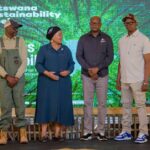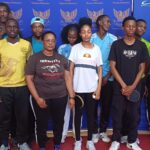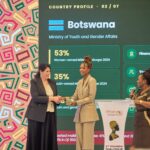

Civil society organisations convened two days after the National Budget Speech to evaluate its potential impact on communities across Botswana. The dialogue, hosted by BNYC in collaboration with BOCONGO, focused on whether the budget adequately addresses current economic challenges. Participants examined the alignment of budget allocations with pressing issues such as youth unemployment, rising living costs, and fiscal constraints. The meeting provided a platform for civil society to critically assess government priorities and advocate for policy adjustments that directly benefit vulnerable groups. Stakeholders emphasized the need for more inclusive dialogue to ensure that the budget reflects the real needs of citizens.
Ms Laone Desert highlighted the context in which the budget was presented, noting the pressures on government resources and the growing socio-economic challenges facing young people. She stressed that budgets are political instruments that communicate government priorities, particularly in areas like gender equality, youth inclusion, and social protection. Her remarks emphasized that tracking these priorities requires active engagement from civil society to hold the government accountable. She urged organisations to monitor allocations and outcomes to ensure that public resources are directed effectively. The discussion underlined the importance of translating budget commitments into tangible benefits for communities.
Mr Robert Letsatsi raised concerns about transparency and governance within the budget process. He cited issues such as limited independence of the Auditor General, delays in audits, the absence of a Budget Act, and weak parliamentary oversight. He called for stronger accountability mechanisms and greater public participation in fiscal decision making. His input highlighted structural challenges that reduce the effectiveness of budget implementation and public confidence. Ensuring open access to budget information was identified as a critical step for improving oversight and fostering trust in government processes.
Participants agreed that civil society has significant potential to influence fiscal policy but has not yet engaged intentionally in shaping budget priorities. They recommended closer collaboration with the Ministry of Youth and Gender Affairs to identify youth-specific needs and align advocacy efforts with national priorities. Tracking government expenditure and assessing the impact of allocations were highlighted as essential for evidence-based advocacy. The meeting concluded that coordinated action would strengthen civil society’s role during parliamentary budget deliberations and ensure that community needs are considered in policy decisions.
Stronger engagement between government and civil society was identified as key to creating a budget that effectively addresses socio-economic challenges. By monitoring spending, promoting accountability, and advocating for youth and gender focused priorities, civil society can ensure that fiscal policies translate into meaningful social impact. The dialogue emphasized that inclusive processes and strategic collaboration will improve transparency, enhance citizen participation, and support sustainable development outcomes for Botswana.