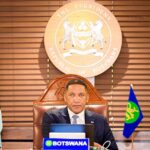

The Director of Public Prosecutions (DPP), Kgosietsile Ngakaagae, has taken legal action to freeze properties linked to former Minister of Mineral Resources, Green Technology and Energy Security, Lefoko Moagi. Court papers show the DPP filed an urgent application this week seeking a restraining order on multiple assets believed to be connected to alleged serious offences. The move marks a significant escalation in Botswana’s anti‑corruption efforts.
Ngakaagae’s founding affidavit states prosecutors believe the listed properties are either proceeds of serious crime or were bought directly with such proceeds. As a result, the High Court was asked to grant a preservation order that would halt any sale, transfer, or disposal of the assets while investigations continue and civil forfeiture proceedings are prepared.
The application names several properties and financial holdings tied to Moagi. These include residential plots, livestock holdings, and cash reserves. Prosecutors argue there is reasonable suspicion that the assets were accumulated through illicit means during Moagi’s tenure in public office.
Moagi served as Minister of Minerals and Energy until late 2024. During that time he oversaw key sectors of Botswana’s resource governance. Recent media reports link him to allegations of corruption, money laundering and possession of unexplained property. Investigators claim evidence shows complex financial transactions and relationships that may have benefited Moagi personally.
The restraining order request is part of broader legal action that also affects other high‑profile former officials. Authorities have already secured similar orders against other property portfolios, reflecting a wider push to challenge unexplained wealth at senior levels of government.
Legal experts say a restraining order does not determine guilt. Instead it preserves the status of assets while prosecutors build a case for permanent forfeiture. Courts generally require clear evidence that assets are tied to criminal conduct before granting such orders.
Moagi has not publicly responded to the application. His legal team may oppose the order when the matter returns to court. If the High Court approves the DPP’s request, the restraints will remain in place until final civil cases determine ownership and potential forfeiture.
This development draws attention to Botswana’s legal framework for tackling corruption and financial crime. It shows prosecutors are willing to use asset restraint mechanisms to prevent suspects from shifting wealth before full legal resolution. Observers say these steps could strengthen public confidence in accountability and the rule of law.