
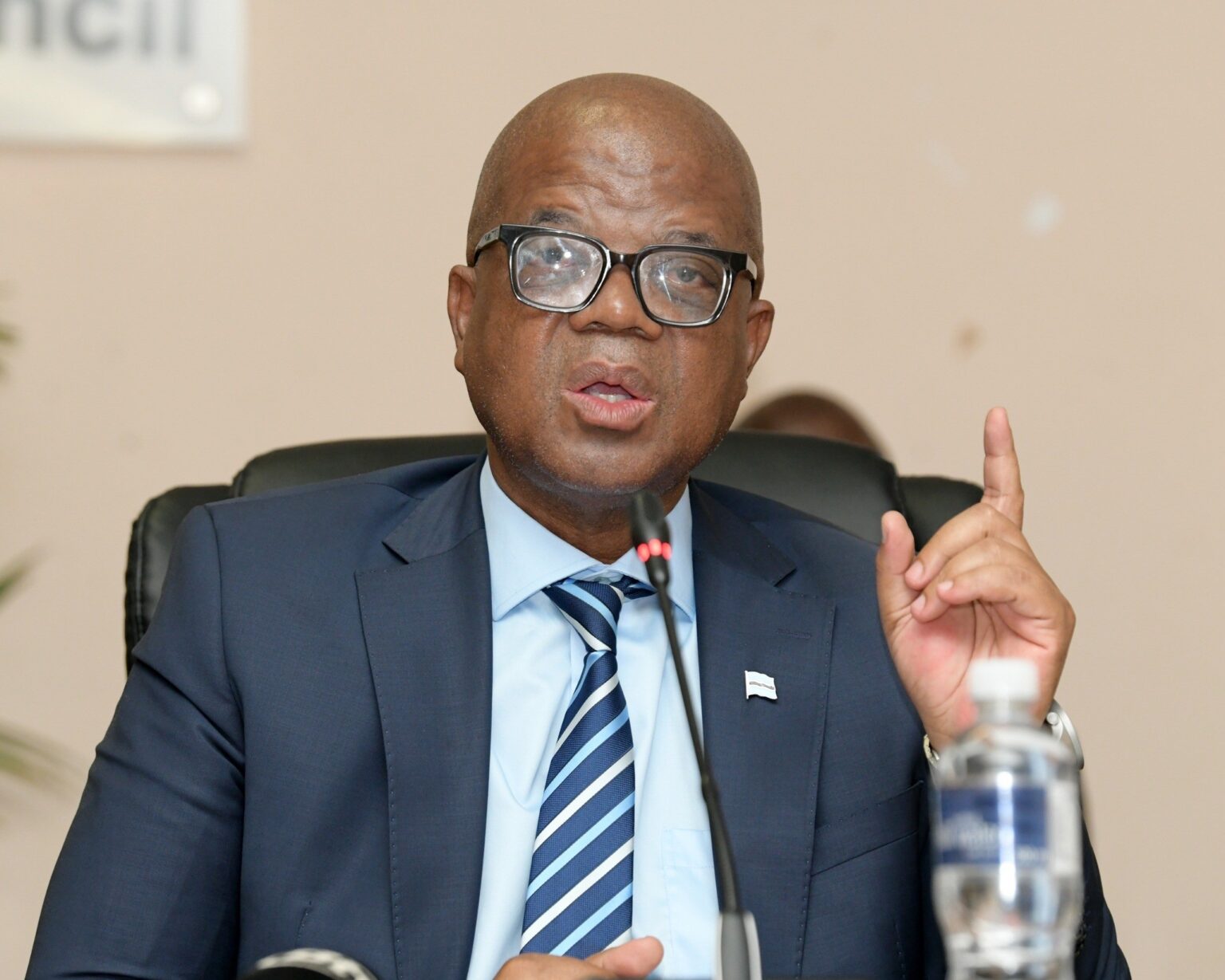
Leaders within the Gaborone City Council have voiced strong support for the proposed establishment of a Constitutional Court, marking a significant moment in Botswana’s evolving legal and governance landscape. The proposal has gained traction following a detailed presentation by Moeti Mohwasa, who outlined the purpose and long-term benefits of creating a specialized judicial body focused on constitutional matters. Councillors see this move as a practical step toward reinforcing democratic systems while improving how constitutional issues are handled. The discussion reflects a broader national effort to modernize institutions and ensure that governance aligns with current legal standards. At its core, the proposal aims to create a more efficient and focused system for protecting citizens’ rights.
Support from council members highlights both political alignment and institutional necessity. Specially elected councillor Katlego Morolong pointed out that the Constitutional Court forms part of the ruling party’s manifesto, signaling a clear policy direction. She stressed that Botswana continues to position itself as a progressive nation committed to democratic values and human rights. Her stance reflects a belief that strengthening checks and balances within government is not optional but essential. A dedicated Constitutional Court would ensure that disputes involving the constitution are handled with the expertise and attention they require. This, in turn, could lead to more consistent legal interpretations and stronger public trust in the justice system.
Other councillors have taken a measured but supportive approach, focusing on practical outcomes. Mmusi Gulubane emphasized the importance of evaluating the court’s real-world impact once established. He acknowledged the need to observe how the court functions in practice, what services it delivers, and how it benefits ordinary citizens. This perspective reflects a results-driven mindset that prioritizes accountability and measurable outcomes. By allowing the court to operate and then assessing its effectiveness, policymakers can make informed decisions about future legal reforms. This approach also ensures that public resources are used efficiently while delivering tangible improvements in access to justice.
Traditional leadership has also weighed in, reinforcing the need for structural reform within the judiciary. Arnold Somolekae highlighted the limitations faced by ordinary courts when dealing with complex constitutional issues. He explained that existing courts often lack the specialized mandate required to interpret constitutional matters fully. A Constitutional Court would fill this gap by focusing exclusively on high-level legal questions that shape national governance. His support underscores a broader understanding that legal systems must evolve to meet modern demands. Strengthening judicial capacity in this way can lead to clearer rulings and more effective protection of citizens’ rights.
Further support came from Sergeant Kgosietsile, who focused on the long-term value of the proposed court. He noted that establishing a Constitutional Court is critical for building a progressive constitution that reflects current governance standards and human rights principles. His comments highlight the forward-looking nature of the proposal, which aims not only to address present challenges but also to prepare for future legal complexities. A dedicated court would play a central role in shaping how laws are interpreted and applied over time. This would ensure that Botswana’s legal framework remains relevant and responsive to societal changes.
The growing support for a Constitutional Court signals a shift toward more specialized and accountable governance in Botswana. The proposal aligns with global trends where countries establish dedicated courts to handle constitutional matters with greater precision and authority. If implemented effectively, the court could streamline legal processes, reduce case backlogs related to constitutional disputes, and enhance the overall quality of judicial decisions. More importantly, it would strengthen public confidence in the rule of law by ensuring that constitutional rights are consistently upheld. This development positions Botswana to reinforce its democratic foundations while adapting to the demands of modern governance.