
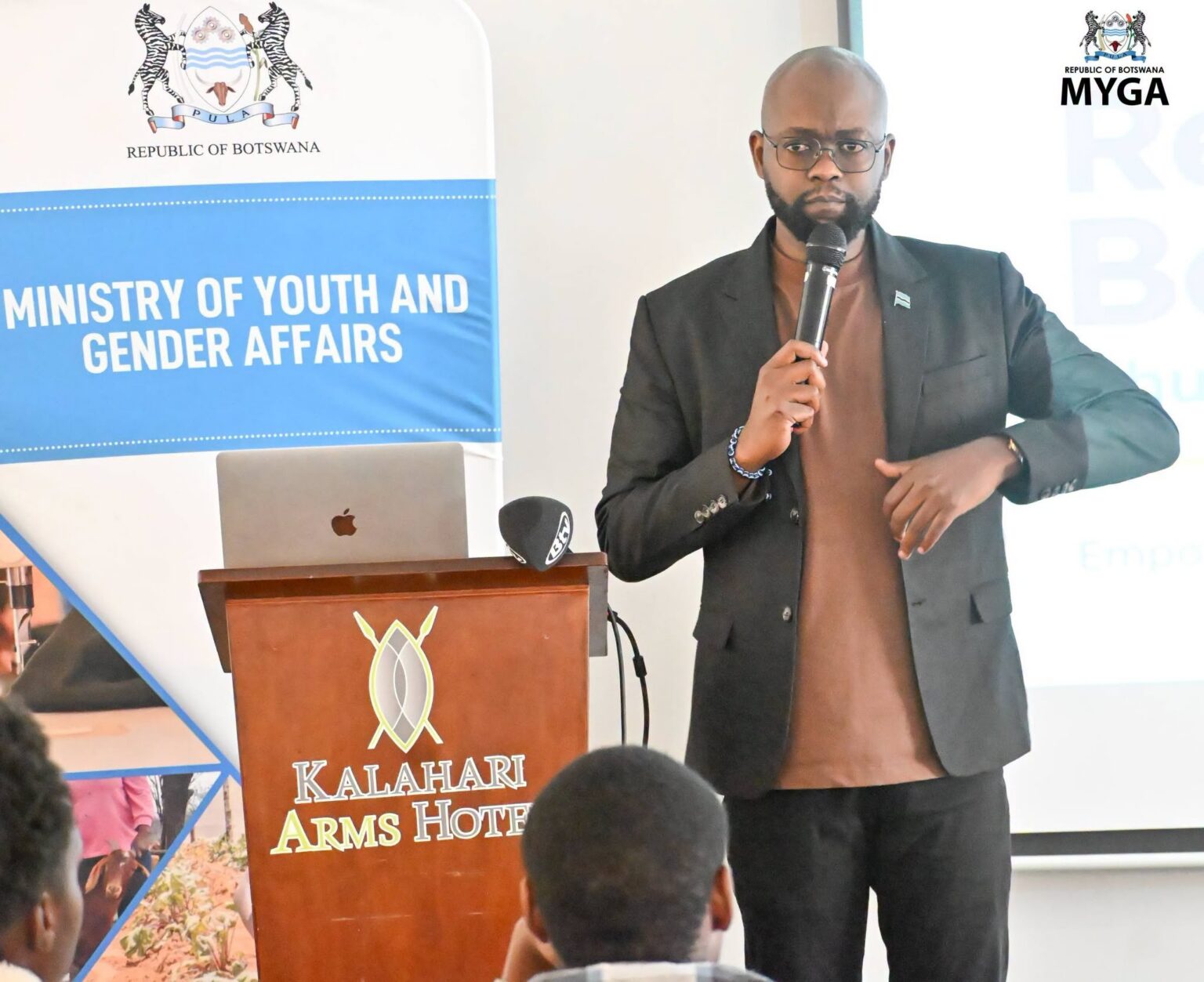
Young people in Ghanzi are being connected with information, skills development and employment opportunities through the two-day Ghanzi Generation Unlimited Youth Fair. The fair started yesterday morning through a partnership involving the Ministry of Youth and Gender Affairs (MYGA), the Presidential Youth Employment Campaign (PYEC), UNICEF Botswana and other partners. The initiative is designed to bring opportunities closer to young people by providing practical information on education, training, entrepreneurship and employment. It also creates a platform where young people can interact with organisations and programmes that can support their transition into work or business. The fair forms part of wider efforts to address barriers that continue to make it difficult for young people to access economic opportunities.
The Ghanzi Generation Unlimited Youth Fair is being delivered through a Public Private Partnership that brings together government, development partners and other stakeholders. This approach allows different organisations to contribute their expertise and resources towards improving opportunities available to young people. Rather than focusing on employment alone, the fair covers several areas that can help young people build pathways towards economic participation. These include education, skills development, entrepreneurship and access to employment information. By bringing these opportunities together in one setting, the initiative aims to make it easier for young people to understand what support is available and how they can access it.
During her address to Ghanzi youth, Acting Chief Programmes Officer at MYGA, Ms Isabel Ndebele, outlined the ministry’s mandate and its role in supporting young people in Botswana. Ndebele described MYGA as the custodian of the youth of Botswana and said the ministry is responsible for providing opportunities for youth employment, development and emancipation. Her remarks placed the Ghanzi fair within the broader responsibility of government to create an environment where young people can access opportunities that contribute to their personal and economic development. The ministry’s involvement also demonstrates the importance of connecting national youth programmes with young people at community level. Such engagements can help ensure that information about available opportunities reaches those who may not otherwise have direct access to it.
Ndebele also explained the role of Generation Unlimited and its focus on helping young people become productive and engaged members of society. Generation Unlimited is a global multi-sector programme that connects secondary-age education and training with employment and entrepreneurship opportunities. Its approach recognises that young people need relevant education and practical skills to navigate the transition from learning into the world of work. Connecting young people with employers, training opportunities and entrepreneurship support can help address some of the challenges they face after completing school. The Ghanzi fair provides a local platform through which these objectives can be introduced directly to young people in the district.
The Presidential Youth Employment Campaign also played an important role in the programme, with Youth Liaison Officer Mr Umbambi Ndiwenyu explaining the campaign’s operational focus. He outlined PYEC’s role in addressing high unemployment among young people, tackling skills mismatches and removing bottlenecks that can prevent young people from accessing entry-level opportunities. These challenges can affect young people even when they have completed education or acquired useful skills. A mismatch between the skills employers need and those available in the labour market can make it harder for young people to secure suitable work. By focusing on these barriers, PYEC aims to improve connections between young people, employers and available employment opportunities.
Technology was another important part of the discussions, with Tiro Connect delivering a hybrid presentation on its free digital marketplace. The platform provides skilled, semi-skilled, formally qualified and self-taught individuals with an opportunity to register and make their abilities visible to potential employers. This type of digital platform can help address some of the access challenges faced by job seekers who may struggle to connect directly with employers. It also recognises that useful skills can be gained through different pathways, including formal education, practical experience and self-directed learning. Giving these individuals a digital space to showcase their abilities can create additional channels through which employers can identify potential workers.
The use of technology at the fair also reflects the changing nature of employment and recruitment. Digital platforms can allow job seekers to present their skills beyond their immediate communities and potentially reach employers looking for specific abilities. For young people in areas where access to employers may be limited, digital tools can provide another way to explore opportunities and promote their capabilities. However, access to technology also depends on digital skills, connectivity and awareness of how online platforms work. Initiatives such as the Tiro Connect presentation can therefore play a role in helping young people understand how technology can support their search for employment and business opportunities.
The two-day fair includes a range of presentations designed to give young people practical information that can support their economic participation. Topics include Citizen Economic Empowerment, business opportunities available in Ghanzi, financial literacy training and labour and employment relations. These areas cover important aspects of both employment and entrepreneurship, from understanding business opportunities to managing finances and knowing more about workplace relationships. Financial literacy can help young people make more informed decisions about income, saving and business activities. Information on labour and employment relations can also help young people better understand their responsibilities and rights when entering the workplace.
The focus on business opportunities in Ghanzi is particularly relevant because entrepreneurship can provide another pathway into economic activity for young people. Access to information can help aspiring entrepreneurs understand what opportunities exist in their communities and what support may be available to help them develop their ideas. Citizen Economic Empowerment discussions can also expose young people to programmes and mechanisms intended to increase participation in economic activities. When combined with financial literacy and skills development, this information can help young people make more informed choices about starting or growing enterprises. The fair therefore presents employment and entrepreneurship as connected areas within the broader goal of youth economic empowerment.
The Generation Unlimited Youth Fair also highlights the importance of partnerships in responding to youth unemployment and skills development challenges. Government ministries, development organisations, private sector partners and youth-focused programmes can each contribute different resources and expertise. Working together can help create stronger links between training, employment and entrepreneurship rather than treating these areas as separate issues. The involvement of UNICEF alongside MYGA and PYEC also adds an international development partnership to the initiative. Continued collaboration among these stakeholders can help expand access to useful information and opportunities for young people in Ghanzi and beyond.
As the two-day event continues, young people have an opportunity to engage with the information and organisations participating in the fair. The programme provides a space to learn about employment pathways, business opportunities, financial management, skills development and labour relations. It also gives participants an opportunity to consider how their existing skills can be presented to potential employers through digital platforms such as Tiro Connect. For young people who are still deciding on their next steps after school or training, access to this information can help them identify possible pathways. The fair therefore brings together several practical areas that can support young people as they prepare for employment or pursue entrepreneurship.
The Ghanzi Generation Unlimited Youth Fair reflects an ongoing effort to ensure that young people can access opportunities, information and support closer to where they live. Through the partnership between MYGA, PYEC, UNICEF Botswana and other stakeholders, the initiative brings education, skills development, entrepreneurship and employment into one programme focused on youth. The contributions from officials and participating organisations have also highlighted the need to address unemployment, skills mismatches and barriers to entering the labour market. With technology, financial literacy and business development included in the programme, the fair provides young people with information that can be applied beyond the event itself. As the initiative continues, its focus on connecting young people with practical opportunities reinforces the importance of giving Botswana’s youth the tools and information they need to participate in the economy.