
Rural communities in Botswana continue to face severe challenges from human-wildlife conflict, with 28 people reported dead and 51 injured over the past three years. Elephants account for the majority of incidents, while predators including leopards, lions, and hyenas contribute to livestock losses and crop destruction.
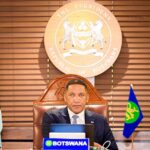
The issue was highlighted by Deputy Speaker of the National Assembly, Helen Manyeneng, during the ongoing International Parliamentary Roundtable on Human-Wildlife Coexistence. The three-day event, held in Phakalane, brings together policymakers, conservationists, and stakeholders from Botswana and beyond to discuss strategies for mitigating conflicts between humans and wildlife.
Human-wildlife conflict not only threatens human safety but also undermines rural livelihoods, particularly for communities dependent on farming and livestock rearing. Damage to crops and the loss of livestock have long-term economic impacts, affecting food security and income stability.
Authorities and experts attending the roundtable are exploring measures to improve coexistence, including community engagement programs, compensation schemes, and innovative deterrent strategies to reduce encounters between people and dangerous wildlife.
Addressing human-wildlife conflict remains critical for sustainable conservation and community safety in Botswana. Collaborative approaches between government, local communities, and conservation organizations are essential to protect both human lives and the nation’s rich biodiversity.