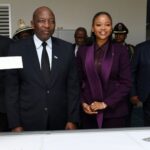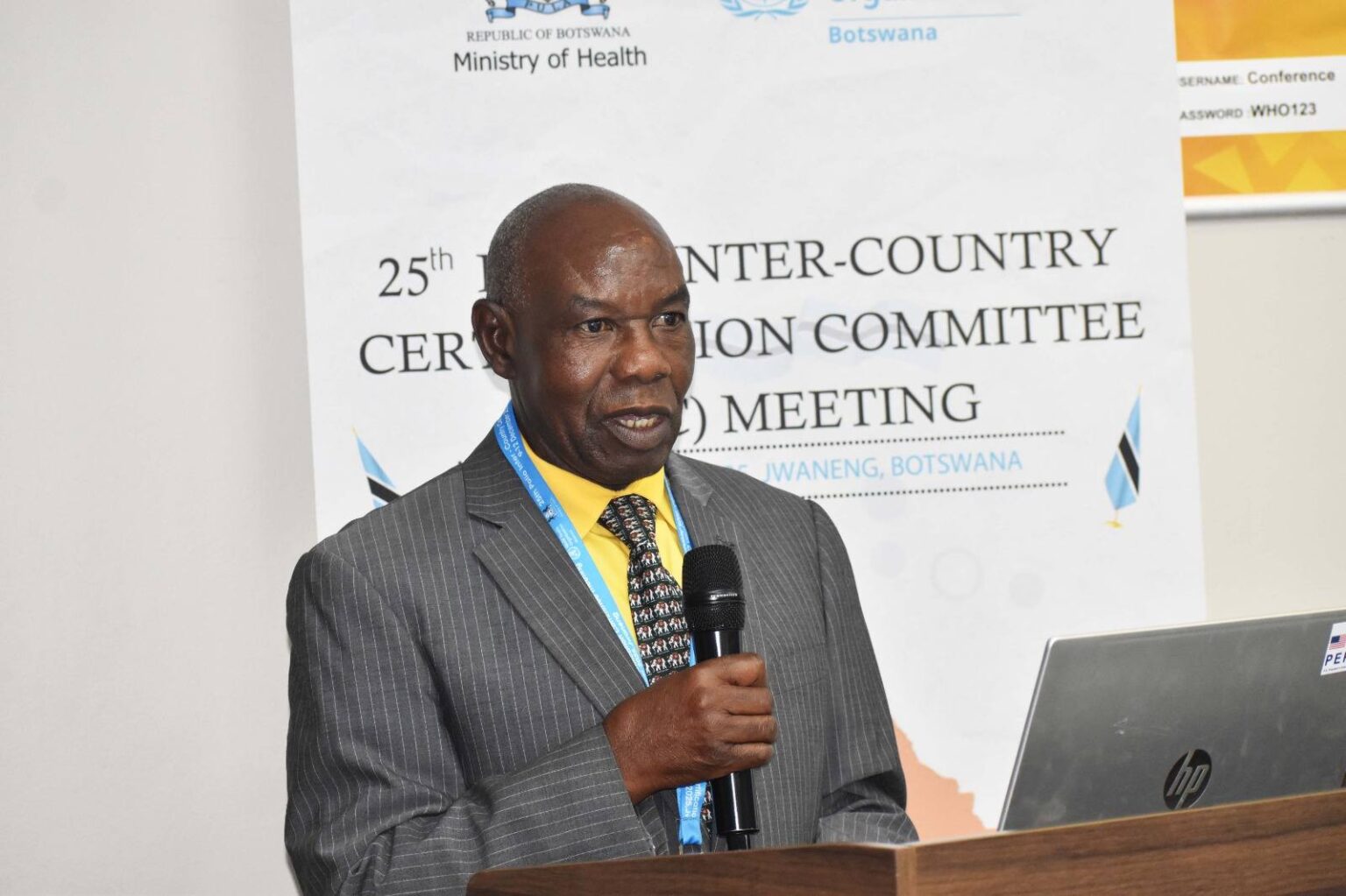
Health experts from Botswana, Lesotho, South Africa, Namibia and Zimbabwe gathered in Jwaneng for a regional meeting that started on 9 December 2025 and ended on 11 December. The session brought together professionals who lead work on polio eradication, vaccine preventable disease surveillance and immunization systems. The meeting aimed to strengthen cooperation among countries that share borders and face similar health risks.
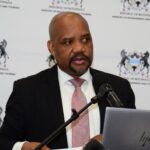
The Acting Permanent Secretary in the Ministry of Health, Mareko Ramotsababa, stated that the Inter Country Certification Committee meeting comes at a critical moment. He explained that regional progress depends on joint action. He noted that countries need strong surveillance systems to detect threats quickly. He highlighted the importance of sustained vaccination coverage. He warned that gaps in any country can affect the entire region. He encouraged experts to share data, identify challenges and agree on next steps.
He pointed out the long standing work of National Certification Committees. He said these committees provide independent oversight. He explained that they ensure verification of progress and guide countries on meeting certification standards. He added that their support has helped countries maintain gains in polio control and immunization quality. He said the committees continue to provide technical leadership that shapes long term strategies.
Health professionals at the meeting reviewed national reports. They discussed surveillance indicators, laboratory performance and community level outreach. They examined the resilience of immunization programmes and the ability of countries to respond to public health emergencies. They also reviewed risk assessments for cross border transmission. Experts focused on gaps that need rapid attention. They agreed that collaboration is essential because population movement across borders increases vulnerability.
The meeting strengthened cooperation among the five countries. It allowed experts to align plans and reinforce shared priorities. The discussions supported stronger surveillance systems and more resilient immunization programmes. The session also improved coordination on cross border health threats.
This engagement showed a commitment to protecting communities and sustaining progress against polio. It highlighted the value of collective action and the need for strong regional ties as countries work toward long term health security.