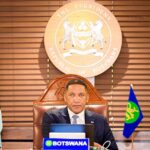

Botswana’s public healthcare system has come under intense scrutiny following the release of findings by the Office of the Ombudsman. Yesterday, during a press briefing held at the Mass Media Complex, the Ombudsman presented the outcome of an own-motion investigation initiated in August 2025 into the healthcare crisis affecting public health facilities. The investigation placed Princess Marina Hospital at the centre of its assessment and confirmed long-standing public concerns about declining standards of care and systemic failures across the sector.
For several years, Princess Marina Hospital has been the focus of growing concern from patients, families and healthcare workers. Persistent reports highlighted overcrowded wards, prolonged waiting times, treatment delays and conditions that compromise patient dignity. These issues were widely reported in the media and reflected patterns that could no longer be dismissed as isolated incidents. As the country’s main referral hospital, the state of Princess Marina Hospital became a clear indicator of deeper challenges within the public healthcare system.
Public expectations of safe, timely and humane healthcare continued to rise. The lived experiences of patients, however, revealed a system struggling to meet basic service delivery standards. This widening gap underscored weaknesses in planning, governance and accountability within the health sector.
The investigation was triggered by allegations published in the Midweek Sun on 27 November 2024. The article alleged a collapse of emergency services at Princess Marina Hospital and raised serious concerns about patient safety. Acting under the Ombudsman Act of 2021, the Office of the Ombudsman initiated an own-motion investigation to examine these claims and assess administrative conduct within the Ministry of Health and public health facilities.
Findings confirmed that the challenges at Princess Marina Hospital were not isolated. They reflected broader systemic failures affecting public health facilities nationwide. Ambulance shortages were found to severely limit emergency response. Staffing deficits left facilities unable to cope with patient demand. Frequent medicine stockouts disrupted treatment and forced patients to seek alternatives or go without care. Weak governance structures and poor infrastructure further compounded these challenges.
Many facilities were found to be operating in aging buildings with inadequate equipment and poor maintenance. These conditions reduced efficiency, compromised patient safety and placed healthcare workers under sustained pressure. The cumulative effect has been a decline in service quality and public trust.
During the investigation, the Ministry of Health acknowledged deficiencies in capacity, competency and governance. The Ministry accepted that these shortcomings have contributed to violations of the right to health. This admission reinforced the conclusion that the crisis stems from both resource constraints and systemic management failures.
The Ombudsman assessed administrative conduct against national laws and international human rights standards, with a focus on access, equity, efficiency and quality of care. The investigation confirmed widespread overcrowding, prolonged waiting times and inadequate emergency services. Conditions observed in several facilities were found to be inconsistent with human dignity.
Low-income and rural communities were disproportionately affected. Limited transport options, under-resourced facilities and staffing shortages reduced access to timely care. These disparities highlighted deepening inequality within the healthcare system and the unequal burden borne by vulnerable populations.
The Ombudsman concluded that Botswana has, to a significant extent, failed to meet its obligation to respect and protect the right to health. This failure was attributed to cumulative neglect, delayed reforms and weak accountability rather than a single point of collapse. The findings point to a public healthcare system under sustained strain and in urgent need of reform.
To address these failures, the Ombudsman issued thirty-six recommendations. These call for urgent reforms, increased investment in healthcare infrastructure and human resources, stronger governance and improved accountability mechanisms. The recommendations emphasise the adoption of a human-rights-based approach to healthcare delivery, with dignity, equity and quality at its core.
The findings mark a critical moment for Botswana’s public healthcare system. They validate public concerns and present a clear roadmap for action. Responsibility now rests with policymakers and health authorities to implement the recommendations. Without decisive action, service delivery failures will persist and public trust will continue to erode. Restoring equitable, dignified and effective public healthcare is both a legal obligation and a national priority.