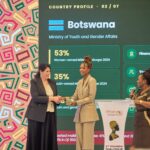

Botswana has made significant strides in promoting gender equality, yet many industries remain male-dominated, presenting persistent challenges for women seeking leadership roles and equitable opportunities. Sectors such as mining, construction, engineering, and certain areas of finance continue to have limited female representation, often reinforced by cultural expectations and systemic barriers.
Efforts to overcome gender bias are gaining momentum through policy interventions, corporate initiatives, and advocacy programs. The Botswana Ministry of Employment, Labour Productivity and Skills Development has implemented frameworks encouraging workplace equality, including policies for equal pay, maternity leave, and anti-discrimination measures. Private companies are increasingly adopting diversity and inclusion programs that focus on mentorship, leadership development, and equitable hiring practices.
Education plays a crucial role in addressing gender disparities. By promoting STEM education for girls and women, Botswana is equipping them with the skills needed to enter and excel in traditionally male-dominated fields. Organizations such as Women in Mining Botswana and the Botswana Institute of Engineers have also launched initiatives to provide mentorship, networking, and training opportunities for women, helping to break down barriers to entry and progression.
Challenging societal norms is another critical factor. Public campaigns highlighting successful female leaders and the benefits of gender diversity in the workplace aim to shift perceptions and inspire young women to pursue careers in male-dominated sectors. Companies that actively champion gender-inclusive cultures report improved innovation, productivity, and employee satisfaction.
Despite progress, challenges remain. Women often face unconscious bias, limited access to leadership pipelines, and a lack of representation in decision-making positions. Addressing these issues requires sustained effort from government, industry leaders, and civil society. Strategies include enforcing equal opportunity policies, creating mentorship programs, providing flexible work arrangements, and setting measurable targets for female representation at all organizational levels.
Botswana’s ongoing efforts to overcome gender bias are essential for economic growth and social development. By empowering women in male-dominated industries, the country can harness diverse perspectives, improve organizational performance, and ensure that talent and potential are not constrained by gender. The continued collaboration between government, private sector, and civil society will be key to achieving lasting change and building a more equitable workforce for the future.