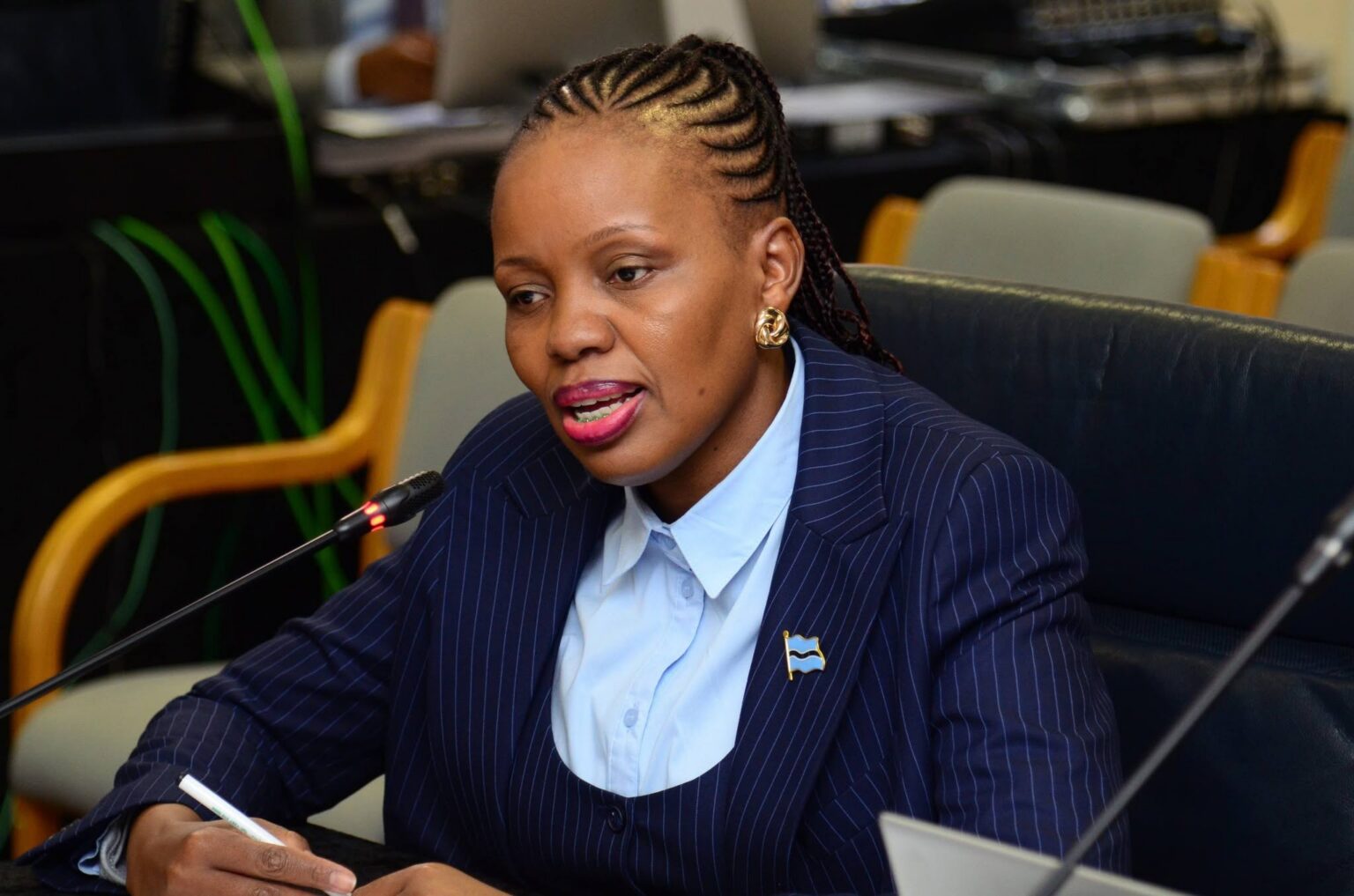
The Permanent Secretary, Ms. Abigail Khumoyame, together with the Ministry’s Executive Management team, appeared before the Government Assurance Committee on 10 June 2026 to present a detailed update on national commitments and ongoing development work. The session formed part of routine oversight aimed at tracking progress across key government programmes and ensuring accountability in service delivery. The engagement focused on how far the Ministry has advanced its priorities, especially in environmental conservation and sustainable tourism development. The meeting also provided a structured platform for reviewing performance against set targets and identifying areas that require accelerated implementation. It reflected a continued emphasis on transparency within the public sector in Botswana as government strengthens oversight mechanisms.
During the presentation, the Ministry outlined progress on key commitments that are central to its strategic mandate. These updates covered policy implementation, project delivery timelines and coordination across departments responsible for environmental protection and tourism development. Ms. Khumoyame highlighted the importance of maintaining consistency in execution while ensuring that government promises translate into measurable outcomes. The Executive Management team also provided clarity on challenges affecting implementation and the steps being taken to address them. The session underscored the need for continuous monitoring to ensure that development programmes remain on track and aligned with national priorities.
A major focus of the engagement was environmental conservation, which remains a critical area for sustainable national development. The Ministry emphasized ongoing efforts to protect natural ecosystems, preserve biodiversity and strengthen regulatory frameworks that support environmental sustainability. Sustainable tourism was also highlighted as a key growth area with potential to generate employment and diversify the economy. The presentation stressed the importance of balancing tourism expansion with environmental protection to ensure long-term benefits. The Ministry reaffirmed its commitment to policies that promote responsible use of natural resources while supporting community participation in conservation efforts.
The Government Assurance Committee played a central role in reviewing progress and ensuring that accountability standards are upheld. The Committee’s oversight function allows it to assess whether ministries are meeting their obligations and delivering on approved plans. In this session, members engaged with the Ministry on performance indicators, project timelines and resource utilization. The interaction helped strengthen institutional transparency and encouraged clearer reporting on outcomes. The process also reinforced the importance of continuous dialogue between implementing ministries and oversight bodies to improve governance effectiveness.
The Ministry also provided updates on broader strategic priorities that support national development goals. These included efforts to improve efficiency in programme delivery, strengthen interdepartmental coordination and enhance stakeholder engagement. Ms. Khumoyame emphasized the importance of aligning ministry activities with long-term national development frameworks. She also noted that effective implementation depends on strong internal systems, skilled personnel and consistent monitoring. The Executive Management team reiterated their commitment to ensuring that all programmes deliver tangible benefits to communities across the country.
The appearance before the committee highlighted the government’s ongoing commitment to accountability and performance management within the public sector. It demonstrated a structured approach to tracking progress and ensuring that ministries remain focused on delivering results. Environmental conservation and sustainable tourism were reaffirmed as key pillars of national development strategy, reflecting their importance to both economic growth and ecological preservation. The engagement also reinforced the role of oversight institutions in maintaining transparency and driving improvements in public service delivery. It further signaled continued efforts to strengthen governance systems that support sustainable development outcomes in Botswana.