
Government is stepping up efforts to electrify rural and remote communities, including settlements located inside wildlife protected areas. The move targets villages that have waited years for reliable power due to environmental restrictions and infrastructure challenges. Expanding electricity access remains central to national development goals, especially in hard to reach regions such as Okavango. Access to power supports schools, clinics, small businesses and household livelihoods. It also reduces reliance on diesel generators and firewood.
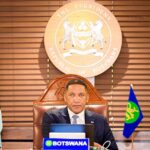
Speaking in Parliament, Energy Minister Bogolo Kenewendo said progress in parts of Okavango has slowed because of environmental compliance requirements. Some settlements fall within wildlife protected zones where installation of electricity poles requires special waivers. These approvals involve consultations with conservation authorities to ensure infrastructure does not disrupt sensitive ecosystems. The process can delay construction timelines, but it protects biodiversity and aligns with environmental law.
Kenewendo was responding to a question from Kenny Kapinga, Member of Parliament for Okavango West. She confirmed that approvals for pending projects are expected soon following engagement with relevant stakeholders. Once waivers are granted, contractors will proceed with pole installation and grid extension. This will unlock access for several off grid communities that currently depend on costly alternatives.
The Minister highlighted progress already made in the region. Tsodilo village was connected to the national grid in November. The connection marks a major milestone for residents who now have stable electricity for lighting, refrigeration and communication. Electrification also supports tourism operations in the area, which sits near culturally and historically significant sites.
Meanwhile, Chukumuchu is at tender stage. This means the project has moved into procurement, where contractors are invited to bid for construction work. Once awarded, installation will begin subject to environmental clearance and logistical planning. Tender progression signals that funding and planning frameworks are already in place.
Rural electrification improves economic participation. When you bring power to remote villages, you enable agro processing, refrigeration for fish and meat, digital access and improved public services. Studies across Sub Saharan Africa show that electrified communities record higher small business activity and improved education outcomes due to extended study hours. For Okavango communities, electricity also strengthens conservation efforts by reducing wood harvesting for fuel.
Government’s intensified push reflects a broader strategy to close the rural urban development gap. By targeting settlements inside protected zones, authorities are addressing some of the most complex infrastructure cases in the country. As environmental approvals move forward, more villages in Okavango are expected to transition from isolation to full grid connectivity.