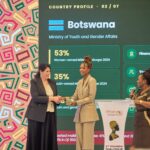

A recent presentation hosted by the Ministry placed strong focus on the importance of teamwork and workplace cohesion as key drivers of organizational success. The session was delivered by counsellor Kelebogile Mbaiwa, who engaged attendees with practical insights on how individuals can work more effectively in diverse professional environments. The discussion highlighted that modern workplaces bring together people from different backgrounds, experiences, and perspectives. This diversity, while valuable, can also create challenges if not managed through proper communication and collaboration. The presentation aimed to equip employees with strategies to build stronger, more productive teams that support organizational goals.
During the session, Mbaiwa emphasized that differences among employees should not be seen as barriers but as strengths that can enhance performance when properly managed. She explained that individuals naturally approach tasks and problem-solving in different ways, which can either create conflict or drive innovation depending on how teams are structured. The key factor, she noted, is the ability to align these differences toward a shared purpose. By fostering mutual respect and understanding, teams can turn diversity into a powerful tool for growth. Her message reinforced the idea that successful organizations depend on unity and shared responsibility among employees.
Communication was identified as the cornerstone of effective team building throughout the presentation. Mbaiwa stressed that open and honest communication allows colleagues to address challenges early before they escalate into larger problems. She explained that when employees communicate clearly, they are better able to coordinate tasks, share ideas, and support one another in achieving common objectives. Strong communication also helps reduce misunderstandings that can negatively affect productivity and workplace morale. According to her, organizations that prioritize communication tend to build stronger, more resilient teams that perform consistently well.
In her closing remarks, Mbaiwa encouraged attendees to prioritize the development of positive and healthy workplace relationships. She pointed out that employees spend a significant portion of their lives at work, making it essential to create environments that are supportive and respectful. Healthy relationships among colleagues contribute not only to improved teamwork but also to individual well-being and job satisfaction. She urged participants to be intentional about building trust, showing empathy, and maintaining professionalism in all interactions. The session concluded with a strong reminder that effective teamwork is not only beneficial for organizational success but also essential for creating a productive and fulfilling work environment.