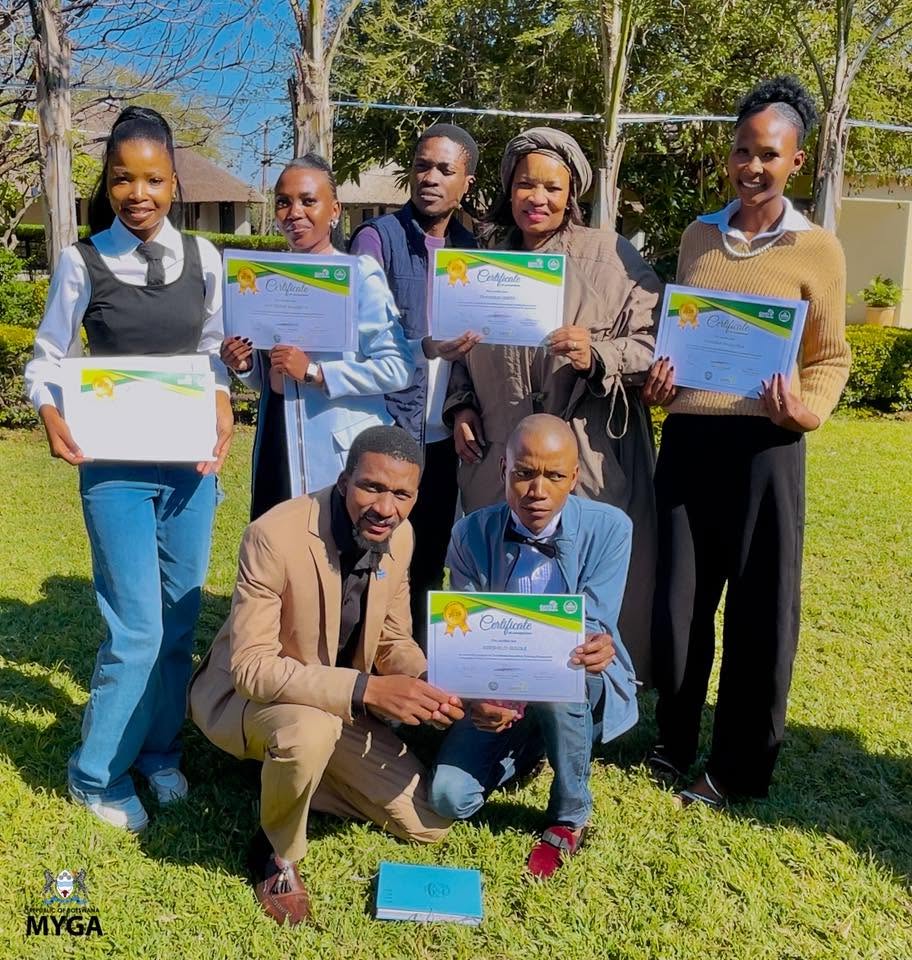
Climate action and sustainable development continue to gain momentum across Botswana, with young people increasingly taking the lead in addressing environmental challenges within their communities. A significant milestone was reached on 11 June 2026 when fifty young people from Kgatleng West graduated as certified Zero Waste Guardians after successfully completing an intensive five-week training programme. The graduation ceremony, held at Rasesa Lodge and hosted by GAYO Botswana, celebrated the achievements of participants who gained practical knowledge and skills designed to promote environmental responsibility, waste reduction, and green entrepreneurship. The programme represents an important investment in youth development while supporting national efforts to create sustainable communities and economic opportunities. As environmental concerns continue to grow worldwide, initiatives such as this demonstrate how local action can contribute to broader climate solutions.
The inaugural Zero Waste Guardians Training Programme was designed to empower young people with practical tools and knowledge rooted in circular economy principles. Throughout the five-week programme, participants engaged in hands-on learning experiences that focused on composting, recycling, upcycling, brand auditing, and green business development. Rather than viewing waste as a problem alone, trainees were taught how discarded materials can become valuable resources that support economic growth and environmental protection. The programme encouraged participants to rethink consumption patterns and identify innovative ways to reduce waste in their communities. By combining environmental education with entrepreneurship skills, the initiative created a pathway for youth to become both climate advocates and potential business owners.
The success of the programme was made possible through strong collaboration between several key institutions and community stakeholders. Support was provided by Kgatleng District Council, Botswana University of Agriculture and Natural Resources (BUAN), the Local Enterprise Authority (LEA), the Youth Development Fund (YDF), and other local partners committed to youth empowerment and environmental sustainability. This collaborative approach ensured that participants received comprehensive training that blended academic knowledge, practical application, and business development guidance. The involvement of multiple stakeholders also reflects the growing recognition that climate action requires partnerships across government, educational institutions, development agencies, and local communities. Such cooperation strengthens the long-term impact of initiatives aimed at creating sustainable livelihoods and environmental stewardship.
During the graduation ceremony, Administrative Officer Mr. Tychicus Mfazi delivered the keynote address and praised the graduates for their commitment to addressing environmental challenges in their wards. He highlighted the importance of youth participation in advancing national priorities related to employment creation and sustainable development. According to Mr. Mfazi, the programme demonstrates that effective climate solutions can emerge directly from local communities when young people are empowered with the necessary skills and resources. His remarks underscored the belief that climate action is not limited to large-scale international initiatives but can be driven by practical actions undertaken at the community level. He commended the graduates for showing leadership and proving that young people can play a central role in creating positive environmental change.
Many of the graduates shared personal experiences about how the training transformed their understanding of waste management and environmental responsibility. Participants explained that they now see waste differently and understand how materials that are often discarded can be repurposed into useful products. They also gained confidence in organizing community clean-up campaigns and environmental awareness activities aimed at educating others about responsible waste practices. For many, the programme opened new possibilities for generating income through green enterprises while contributing to environmental protection. The combination of practical skills and community engagement has equipped the graduates with tools that can create lasting benefits both for themselves and for the wider Kgatleng West region.
The impact of the programme extends beyond the graduation ceremony, as the newly certified Zero Waste Guardians are expected to become active change-makers within their communities. Their next step involves implementing pilot waste management projects designed to reduce pressure on landfills while promoting sustainable waste practices. These initiatives have the potential to create green livelihoods, improve environmental conditions, and encourage greater public participation in waste reduction efforts. By putting their training into practice, the graduates can serve as role models for other young people and inspire broader community involvement in climate action. Their work may also contribute valuable lessons that can be replicated in other districts across Botswana.
In his closing remarks, Kgatleng District Council Chairman Hon. Thabo S. Komane encouraged the graduates to maintain their enthusiasm and continue building on the knowledge they acquired during the programme. He emphasized the importance of sustaining momentum and ensuring that the skills gained translate into meaningful action and measurable results. His message reflected the broader goal of creating long-term environmental solutions that are driven by local communities and supported by youth leadership. The encouragement from community leaders highlights the confidence placed in the graduates and their ability to contribute positively to regional development. Continued support from stakeholders will be essential as the guardians begin implementing their projects and expanding their impact.
GAYO Botswana also expressed gratitude to Kgatleng District Council, BUAN, LEA, YDF, programme facilitators, and community leaders whose support helped make the pilot initiative a success. Their contributions played a vital role in providing resources, expertise, and guidance throughout the training process. The successful graduation of fifty Zero Waste Guardians demonstrates the value of investing in youth-focused environmental programmes that combine education, entrepreneurship, and community engagement. With a growing network of trained young environmental leaders now active in Kgatleng West, the district is positioning itself as an example of how local communities can contribute to Botswana’s sustainability goals. The programme stands as a powerful reminder that when young people are equipped with knowledge and opportunities, they can become effective drivers of climate action, innovation, and sustainable development for future generations.