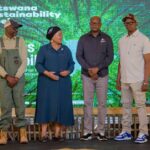
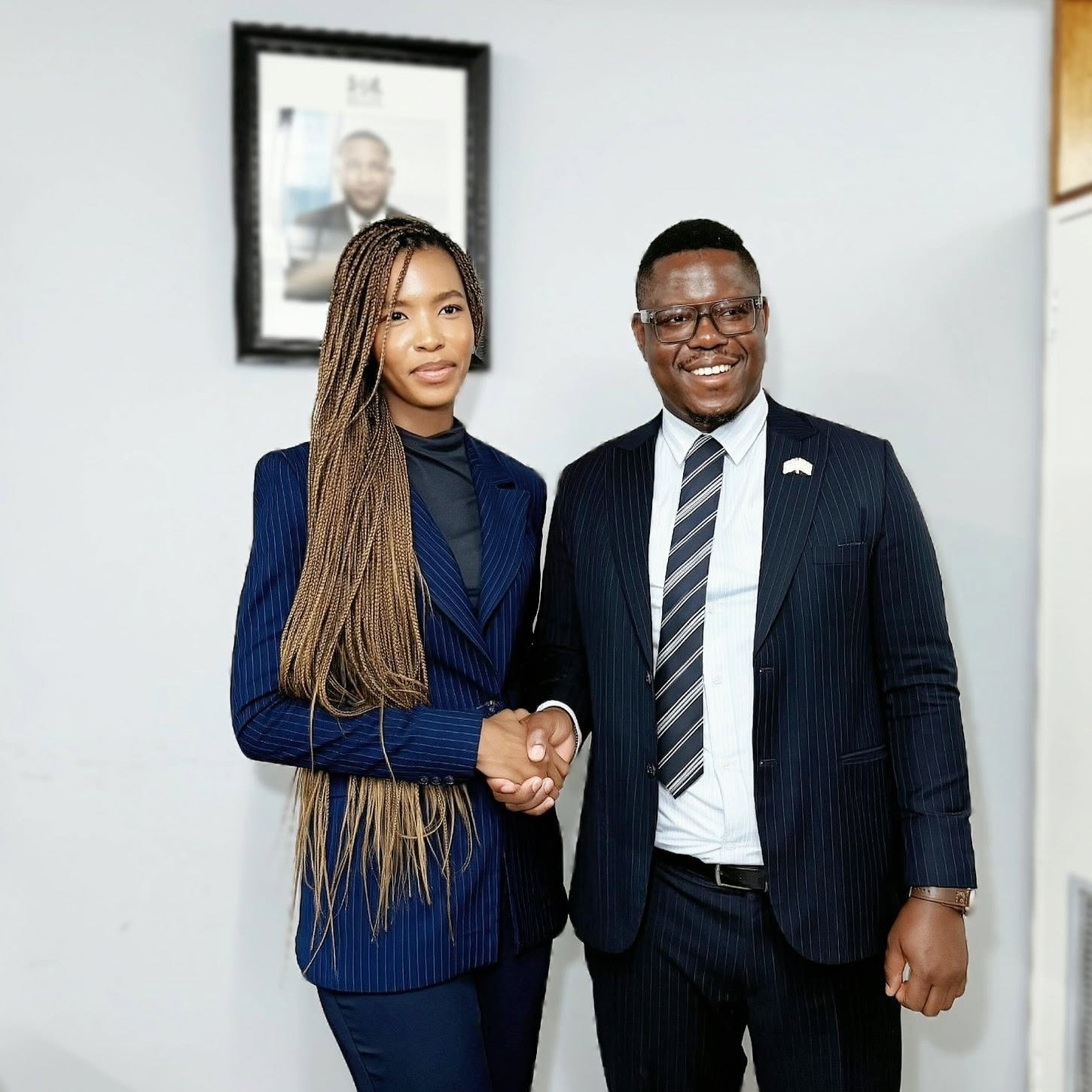
The Ministry of Youth and Gender Affairs (MYGA) together with the Ministry of Local Government and Traditional Affairs (MLGTA) held an Inter-Ministerial meeting today focused on improving coordination and finding practical solutions to challenges facing communities across Botswana. The meeting placed strong emphasis on rural development, where many citizens continue to face structural barriers that limit access to opportunities and essential services. Officials from both ministries discussed how joint planning can improve service delivery and ensure government programmes reach the people who need them most. The engagement also reflected a broader commitment to align policies that support youth empowerment, gender equality and local governance. The discussions highlighted the need for a more unified approach to development planning that reduces duplication and improves efficiency.
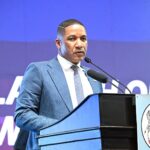
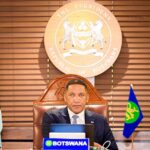
Minister of Local Government and Traditional Affairs Honourable Ketlhalefile F.C. Motshegwa stressed the importance of coordinated government action in addressing social and economic challenges affecting communities. He pointed out that unemployment remains one of the most pressing issues, especially among young people in rural areas where job opportunities are limited. He also raised concerns about Gender-Based Violence, describing it as a major challenge that requires consistent and targeted intervention from multiple sectors. According to him, isolated efforts are not enough, and stronger collaboration between ministries and local structures is necessary. His remarks reinforced the idea that development outcomes improve when government departments work together with a shared purpose.
Honourable Motshegwa also shared updates on discussions with the Ministry of Finance aimed at mobilising resources for community-focused programmes. These programmes are expected to support economic participation and improve livelihoods in rural areas where poverty levels remain high. He emphasised that funding must be directed toward initiatives that deliver measurable impact, especially for women, youth and vulnerable groups. The Minister highlighted that better financial coordination will allow government to scale up interventions that create jobs and strengthen local economies. He also noted that resource mobilisation remains a key factor in ensuring that policy goals translate into real benefits for citizens.
A major point raised during the meeting was the proposal to revive Bogosi-led initiation schools. Honourable Motshegwa explained that these traditional institutions historically played a role in teaching discipline, responsibility and cultural values to young people. He argued that integrating traditional teachings with modern development programmes could help address social challenges affecting communities today. He specifically linked this idea to efforts aimed at reducing Gender-Based Violence and improving social behaviour among young people. The proposal reflects a growing interest in using cultural systems as part of broader social development strategies.
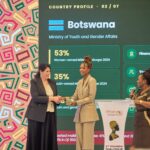
Minister of Youth and Gender Affairs Honourable Chombo highlighted that recent government restructuring has created an opportunity to strengthen collaboration between ministries. She explained that MYGA is focused on ensuring that youth and gender considerations are fully integrated into government policies and programmes. Her emphasis was on making sure that women, men and young people can actively participate in economic development initiatives. She noted that integration across sectors is critical for achieving inclusive growth and reducing inequality. Her remarks pointed to a shift toward more coordinated governance structures that improve overall policy impact.
Honourable Chombo identified key areas for collaboration between the two ministries, particularly in advancing Women Economic Empowerment and increasing women’s participation in leadership roles. She also highlighted the importance of supporting gender equality legislation to ensure stronger protection and equal opportunities. She stressed that data sharing between ministries is essential for improving planning and decision-making. Programmes such as Ikageng were mentioned as important tools that require accurate information to ensure they reach the right beneficiaries. Her focus was on building systems that are evidence-based and responsive to real community needs.
On youth development, Minister Chombo highlighted the Youth Development Fund (YDF), which is implemented in partnership with UNICEF as a key programme supporting young people. The fund is designed to help youth, especially in rural areas, access funding, skills training and mentorship opportunities. She noted that greater emphasis will now be placed on coaching and structured skills development to improve employability. Partnerships with local authorities and the Botswana Association of Local Authorities (BALA) were identified as important in expanding the reach of these initiatives. The goal is to ensure that young people are better prepared to participate in the economy and create sustainable livelihoods.
The meeting also emphasised the importance of improved collaboration and data sharing between ministries to avoid duplication and improve service delivery. Officials agreed that better coordination will help identify gaps in service provision and ensure that government resources are used more efficiently. This approach is expected to improve the overall impact of development programmes across rural and urban communities. It also supports a more integrated model of governance where different departments work together toward shared outcomes. The focus remains on improving accountability and ensuring that interventions deliver measurable results.
The Inter-Ministerial meeting reflects government’s continued commitment to building stronger partnerships that improve the lives of Batswana. The discussions demonstrated a clear focus on youth empowerment, gender equality and rural development as central pillars of national progress. By aligning strategies and sharing resources, the two ministries aim to deliver more effective services and create greater opportunities for all citizens. The engagement also reinforced the importance of combining modern governance approaches with cultural and community-based systems. Through sustained collaboration, the government aims to build more inclusive, resilient and prosperous communities across Botswana.