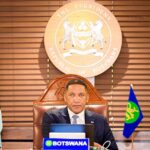

The Permanent Secretary in the Ministry of Environment and Tourism, Ms. Abigail Khumoyame, this morning led a key national consultation process focused on the review of the Tourism Act of 2009. The engagement brought together tourism industry stakeholders to reflect on the current regulatory framework and identify areas that require reform. Ms. Khumoyame opened the discussions with a strong call for inclusive participation and meaningful dialogue among all stakeholders. The consultation is part of a broader national effort to modernize Botswana’s tourism governance system. It also reflects the government’s commitment to ensuring that the tourism sector remains competitive, sustainable and responsive to current economic needs.
Ms. Khumoyame urged stakeholders to engage openly and contribute to robust discussions aimed at shaping legislation that supports ease of doing business in the tourism sector. She emphasized that the review process should not be limited to administrative updates but should focus on creating practical solutions that address real challenges faced by industry players. According to her, the success of the revised Tourism Act will depend on the quality of input received from stakeholders across the sector. She encouraged participants to share experiences from their daily operations to help identify regulatory bottlenecks. Her message highlighted the importance of collaboration in building a stronger and more efficient tourism industry.
The Permanent Secretary noted that the timing of the review is appropriate, as the tourism sector is increasingly becoming a key driver of economic growth in Botswana. She linked the importance of the sector to national development frameworks including Vision 2036, the Botswana Transformation Economic Programme (BTEP), and National Development Plan 12 (NDP 12). These strategic plans prioritize economic diversification and position tourism as one of the critical sectors for future development. Ms. Khumoyame stressed that aligning legislation with these frameworks will help ensure that tourism contributes meaningfully to national goals. She added that a modern legal framework is essential for unlocking the full potential of the industry.
She further explained that the tourism landscape has changed significantly since the Tourism Act was enacted in 2009, making a comprehensive review necessary. The sector has evolved with new technologies, changing consumer preferences and increased global competition. These developments require updated policies that can respond effectively to emerging trends and opportunities. Ms. Khumoyame emphasized that outdated regulations can limit growth and discourage investment in the sector. A revised legal framework, she noted, will help ensure that Botswana remains competitive in an increasingly dynamic global tourism market.
The Permanent Secretary highlighted that the review presents a critical opportunity to modernize the regulatory environment governing tourism in Botswana. She pointed out that the revised legislation should address existing gaps that may hinder business growth and innovation. The goal is to create an enabling environment that attracts both local and international investors while supporting entrepreneurship within the sector. She stressed that a well-structured legal framework can improve efficiency, reduce administrative burdens and enhance service delivery. This, in turn, will strengthen Botswana’s position as a preferred tourism destination in the region.
Ms. Khumoyame also emphasized the importance of promoting citizen participation within the tourism value chain as part of the legislative review process. She stated that contributions from stakeholders should focus on ensuring that Batswana benefit meaningfully from the growth of the sector. Citizen empowerment remains a key government priority, and the revised Tourism Act is expected to reflect this commitment. She encouraged stakeholders to propose mechanisms that can increase local ownership and participation in tourism enterprises. Her remarks highlighted the need for inclusive growth that spreads economic benefits across communities.
She further noted that increasing citizen involvement in tourism will help build a more resilient and sustainable industry. By empowering local entrepreneurs and communities, Botswana can ensure that tourism development contributes directly to poverty reduction and job creation. Ms. Khumoyame stressed that the sector should not only attract international investment but also support the growth of local businesses. This balance is essential for long-term sustainability and equitable development. The consultation process therefore serves as an important platform for shaping policies that reflect national development priorities.
In her concluding remarks, Ms. Khumoyame expressed appreciation to all stakeholders and partners for their continued support in advancing Botswana’s tourism sector. She acknowledged that their input and collaboration have been instrumental in shaping the growth of the industry over the years. She expressed confidence that the consultation process will produce a comprehensive and forward-looking Tourism Act that meets the needs of a modern economy. The review is expected to strengthen Botswana’s tourism governance framework and enhance its global competitiveness. As the process continues, stakeholders remain central to ensuring that the final legislation supports sustainable growth, investment and inclusive participation in the tourism sector.