
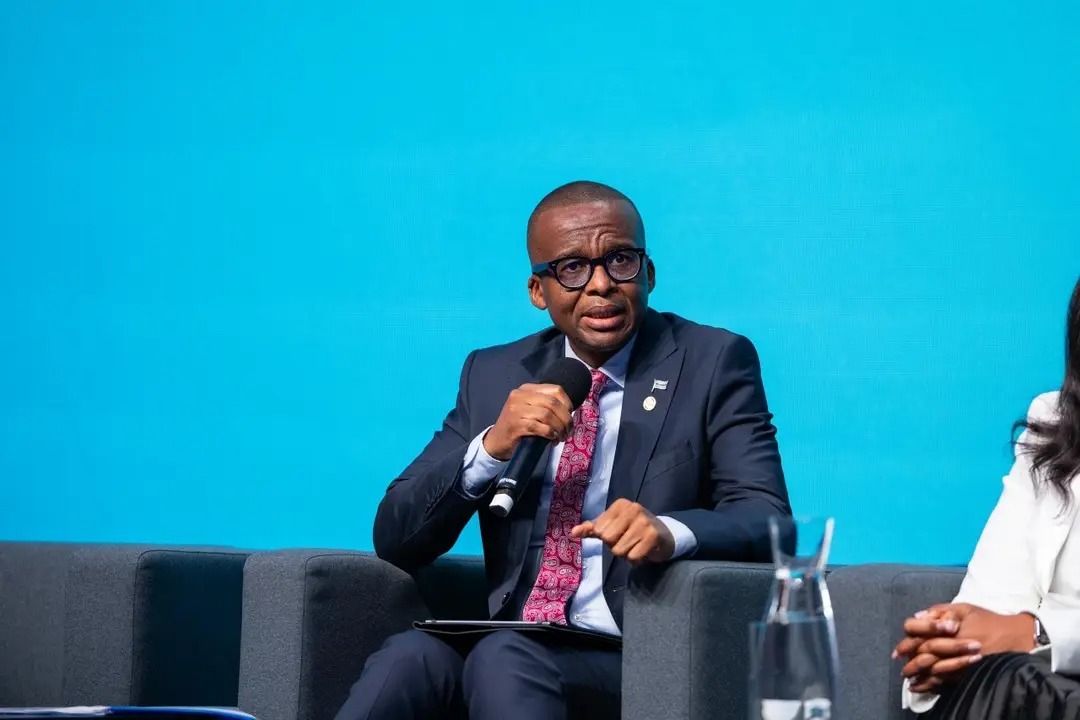
Botswana is positioning itself for a new era of economic growth, one that moves beyond its long-standing dependence on diamonds and focuses on diversification, industrial development and stronger participation in global value chains. This vision was clearly articulated by Botswana’s Vice President and Minister of Finance, Ndaba Gaolathe, during the OPEC Fund Development Forum 2026. Addressing an international audience of policymakers, investors and development partners, Gaolathe presented Botswana’s Economic Transformation Programme as an example of how African countries can build more resilient and sustainable economies. His message reflected a growing recognition across the continent that natural resources alone cannot guarantee long-term prosperity. Instead, countries must create diverse economic sectors that generate jobs, increase exports and strengthen competitiveness in the global marketplace.
During a session focused on upgrading local value chains and promoting high-value exports, Gaolathe highlighted the importance of economic diversification as a critical component of Botswana’s future development. For decades, diamonds have been the backbone of the country’s economy and have played a major role in funding infrastructure, education and public services. The diamond industry helped transform Botswana from one of the poorest countries in the world into an upper-middle-income nation. However, changing global market conditions and increasing economic uncertainty have underscored the need to expand beyond mineral wealth. Gaolathe emphasized that future growth will depend on Botswana’s ability to build productive industries in sectors such as manufacturing, technology, agriculture and services while creating stronger connections to regional and international markets.
A key theme of Gaolathe’s presentation was the need to strengthen execution capacity. He argued that one of the greatest challenges facing both Botswana and many African countries is not a lack of plans or strategies but rather the ability to implement them effectively. Governments across the continent often develop ambitious development frameworks, yet translating these plans into measurable results remains a significant obstacle. Gaolathe stressed that success requires strong institutions, effective project management and the ability to deliver outcomes within agreed timelines. By focusing on execution, Botswana hopes to ensure that economic transformation efforts move beyond policy discussions and produce tangible improvements in employment, productivity and investment.
The Vice President also highlighted the role of local value chains in driving sustainable economic growth. Rather than exporting raw materials and importing finished goods, he advocated for creating industries that add value within the country. This approach can increase economic returns, create skilled jobs and stimulate innovation. Building local value chains allows businesses to participate more effectively in regional and global trade networks while strengthening domestic industries. For Botswana, this means identifying sectors with strong growth potential and providing the necessary support to help businesses compete internationally. Such efforts can help reduce economic vulnerabilities and create a more balanced and diversified economic structure.
Another important aspect of Gaolathe’s remarks focused on development finance. He argued that traditional funding approaches are no longer sufficient to meet the complex challenges facing African economies. Instead of relying solely on standardized funding models, he called for development finance institutions and international partners to embrace more collaborative and flexible approaches. According to Gaolathe, successful development requires co-creation, ecosystem development and solutions designed around local realities. This means working closely with governments, businesses, entrepreneurs and communities to develop initiatives that respond directly to specific economic needs and opportunities. Such partnerships can help unlock innovation while ensuring that investments produce long-term benefits.
Gaolathe’s call for locally driven solutions reflects a broader shift in development thinking across Africa. Increasingly, policymakers are emphasizing the importance of homegrown strategies that leverage local knowledge, talent and resources. While international support remains important, there is growing recognition that sustainable development must be led by the countries themselves. Botswana’s Economic Transformation Programme aligns with this perspective by focusing on building domestic capabilities and creating conditions that encourage private sector growth. By empowering local industries and entrepreneurs, the country aims to generate lasting economic value while reducing dependence on external factors.
The discussion at the OPEC Fund Development Forum also highlighted the growing importance of regional integration. African economies are increasingly seeking opportunities to benefit from larger markets through initiatives such as the African Continental Free Trade Area. Participation in regional value chains can help businesses achieve greater scale, improve efficiency and access new export opportunities. Gaolathe’s vision for Botswana includes strengthening the country’s position within these emerging trade networks. By producing higher-value goods and services, Botswana can enhance its competitiveness while contributing to broader regional economic development.
Industrialisation remains another central pillar of Botswana’s transformation strategy. Across Africa, industrial development is viewed as a critical pathway to creating jobs and accelerating economic growth. Manufacturing industries can generate significant employment opportunities while supporting the development of supporting sectors such as logistics, finance and technology. Gaolathe emphasized that building productive industries requires coordinated action from government, investors and development partners. Infrastructure development, skills training and access to finance all play important roles in creating an environment where businesses can thrive and expand.
The Vice President’s remarks also underscored the importance of innovation and adaptability in an increasingly competitive global economy. Technological advancements are reshaping industries and creating new opportunities for growth. Countries that embrace innovation are better positioned to attract investment and participate in emerging markets. Botswana’s transformation agenda seeks to harness these opportunities by encouraging entrepreneurship, supporting technological development and fostering a culture of innovation. Such efforts can help diversify the economy while preparing businesses and workers for future economic challenges.
Gaolathe’s presentation at the OPEC Fund Development Forum 2026 demonstrated Botswana’s commitment to building a more diversified, resilient and inclusive economy. His emphasis on execution, value addition and locally driven development reflects many of the priorities shaping Africa’s next phase of economic growth. By moving beyond reliance on natural resources and focusing on productive sectors, Botswana aims to create sustainable engines of development that can generate long-term prosperity. The country’s Economic Transformation Programme serves as both a national strategy and a contribution to wider continental discussions about industrialisation, exports and economic resilience. As African nations continue to seek new pathways for growth, Botswana’s approach offers a practical example of how diversification, strong implementation and strategic partnerships can help unlock future opportunities.