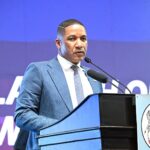
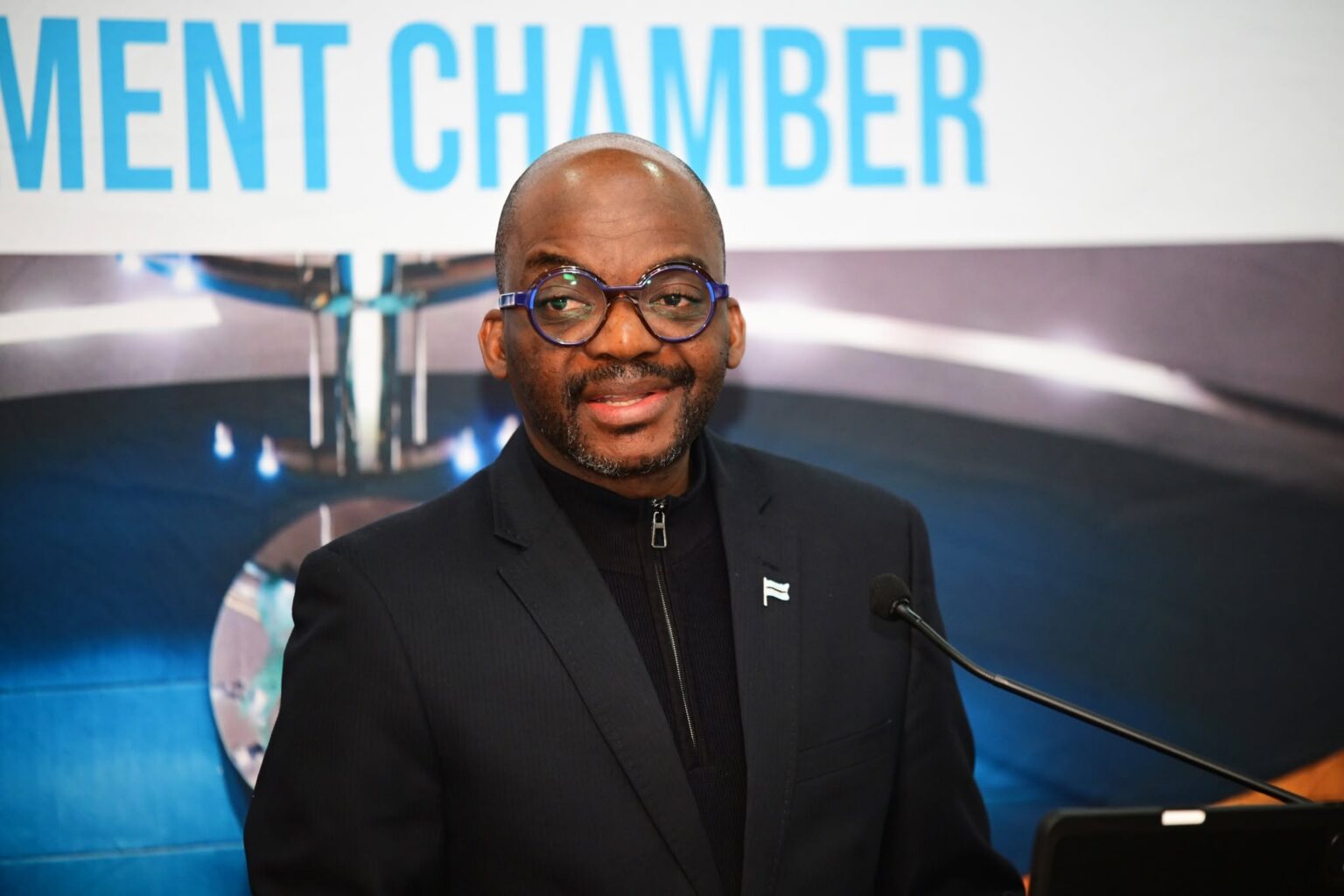
The Speaker of the National Assembly, Hon. Dithapelo Keorapetse, has reaffirmed Parliament’s central role in promoting good governance, democratic accountability, and the prudent management of public resources during the opening of a three-day Workshop on Parliamentary Budgetary Engagement and Oversight of Public Enterprises. The event brought together parliamentarians, policy experts, development partners, and international delegates to strengthen oversight systems and improve how public finances are managed. The Speaker used the platform to stress that effective parliamentary engagement is essential for building trust between citizens and the state. He highlighted that transparent budget processes are a cornerstone of democratic governance. The workshop was positioned as a practical step toward improving fiscal accountability and institutional performance.
Hon. Keorapetse explained that national budgets are more than financial documents and instead reflect a country’s values, priorities, and long-term development goals. He emphasized that Parliament carries a constitutional responsibility to ensure public funds are allocated, spent, and accounted for in a transparent and responsible manner. He noted that this responsibility requires active participation by legislators throughout the entire budget process, not only during approval stages. According to the Speaker, Parliament must ensure that public money delivers measurable benefits to citizens. He reinforced that strong budget scrutiny helps prevent misuse of resources and improves service delivery outcomes.
The Speaker also pointed out that Botswana is currently facing significant economic pressures, including declining diamond revenues and increasing fiscal constraints. These challenges make parliamentary oversight more important than ever, as government must operate within tighter financial limits while still meeting public needs. Hon. Keorapetse stressed that Parliament has a constitutional mandate to represent citizens, examine government spending, and hold the Executive accountable in the public interest. He explained that oversight must remain independent and grounded in evidence to ensure credible decision-making. This approach, he said, strengthens democratic institutions and improves national resilience during periods of economic uncertainty.
Hon. Keorapetse further underscored that parliamentary oversight does not end with the approval of budgets but continues throughout the full budget cycle. This includes monitoring implementation, reviewing performance outcomes, and ensuring that audit findings are properly addressed by responsible institutions. He stressed that follow-up on audit reports is a critical step in closing accountability gaps within public administration. The Speaker also highlighted the importance of strong oversight over State-Owned Enterprises to ensure they operate efficiently and deliver quality services to the public. He noted that transparency and accountability in these entities are essential for protecting public resources and improving service delivery.
The Speaker encouraged Members of Parliament to exercise independence in their work and rely on evidence-based analysis when making decisions on national issues. He emphasized that MPs must remain committed to the national interest above all else, particularly when evaluating complex fiscal and governance matters. Hon. Keorapetse also highlighted the importance of learning from international best practices and strengthening cooperation between parliaments and oversight institutions across different countries. He stated that shared knowledge and collaboration can improve institutional capacity and enhance democratic governance systems. The exchange of ideas during the workshop was described as a valuable opportunity for institutional growth and reform.
Hon. Keorapetse expressed appreciation to the National Assembly of Botswana, International IDEA, Inter Pares, the European Union, Friedrich Ebert Stiftung, partner parliaments, and various experts for their support in organizing the workshop. He described the initiative as a meaningful investment in strengthening parliamentary democracy, accountability, and effective governance in Botswana. The Speaker emphasized that such partnerships play a key role in building stronger oversight systems and improving legislative performance. He noted that continued collaboration between local and international stakeholders will help reinforce transparency and good governance practices. The workshop concluded with a shared commitment to strengthening parliamentary institutions for the benefit of citizens and national development.